September 4, 2026
Maintaining a safe and comfortable living environment requires regular property maintenance, and addressing hidden structural threats is a major part of that equation. Unwanted household invaders can cause significant damage to building materials, contaminate food sources, and pose health risks to occupants. Because many species thrive in dark and concealed places, homeowners often remain unaware of an active infestation until significant harm has already occurred. A professional inspection serves as an essential line of defense, providing a clear evaluation of a property's overall condition and identifying vulnerabilities before they escalate into costly repairs. Taking action early ultimately saves property owners both time and substantial financial resources.
Protecting a residence against unwanted creatures is a widespread priority across the country. According to data released by the National Pest Management Association, more than 13.25 million American homes utilized professional pest control services throughout 2024. This high demand highlights how vital pest exterminators are for long-term home maintenance. Understanding what occurs during a comprehensive property review helps homeowners prepare for the process and ensures they get the greatest possible value from the evaluation. Being well-informed transforms a standard maintenance visit into a highly proactive defense strategy.
Preparing the Property for an Inspector Visit
Before the evaluation begins, property owners can take several straightforward steps to ensure the evaluation goes smoothly. Clear access to key areas of the building allows the specialist to conduct a thorough and efficient search. Removing storage boxes, clutter, or stored household items from around attic access hatches, crawlspace openings, and basement walls ensures that no critical zone is overlooked. Simple preparation steps like moving stored items make a massive difference in thoroughness.
Accessibility around the perimeter of the structure is equally important. Trimming back heavy vegetation, pulling firewood piles away from exterior walls, and ensuring clear pathways along the foundation line give the technician a direct line of sight. When home inspection specialists arrive, they can immediately focus on evaluating potential entry points and structural vulnerabilities rather than spending time navigating obstacles or moving personal belongings. This level of access enables inspectors to spot minor exterior flaws before they become major access points.
Conducting the Initial Discussion and Site Assessment
The evaluation process typically starts with a brief consultation between the homeowner and the technician. During this opening conversation, the specialist will ask about any specific concerns, unusual noises, visible droppings, or recent sightings of insects or rodents. Sharing these details gives the technician valuable context and helps guide their initial focus. Open dialogue upfront ensures that no subtle symptom reported by the residents goes unexamined.
Experienced pest exterminators use this early conversation to gather vital clues about the age of the structure, previous treatments, and localized regional challenges. After gathering background information, the specialist performs an initial walkthrough to get a feel for the property's layout, paying close attention to high-risk zones such as kitchens, utility rooms, and damp basements where moisture and food sources naturally accumulate. Combining homeowner observations with expert observation sets a precise roadmap for the rest of the inspection.
Evaluating Exterior Vulnerabilities and Perimeter Conditions
A rigorous inspection always involves a thorough examination of the building's exterior envelope. The specialist walks around the entire perimeter, inspecting the foundation walls, siding transitions, rooflines, and window seals for cracks or gaps. Small openings around pipe penetrations, utility meters, or door thresholds can serve as open invitations for unwanted invaders seeking warmth, shelter, or moisture. Even the smallest breach in a foundation wall can provide entry for opportunistic invaders.
During this exterior assessment, professional pest exterminators closely evaluate environmental conditions immediately surrounding the foundation. Overhanging tree branches, clogged gutters, standing water, and wood-to-ground contact are primary attractants. Identifying these outdoor risk factors allows the technician to recommend simple habitat modifications that prevent recurring issues long before any chemical interventions are required. Addressing these structural and landscaping issues early stops potential invasions before they ever reach the interior.
Inspecting Interior Living Spaces and Storage Areas
Once the exterior evaluation is complete, the focus shifts to the interior living spaces. The specialist systematically checks rooms throughout the house, paying special attention to areas with water fixtures, such as kitchens, bathrooms, and laundry rooms. Sinks, plumbing lines, and appliances are prime locations for activity because leaking pipes and excess condensation provide the moisture that insects and rodents need to survive. Routine checks of plumbing enclosures often reveal hidden issues long before visible water damage appears.
Throughout the interior walk, certified pest exterminators carefully search for subtle signs of activity that an untrained eye might easily miss. This includes looking for tiny droppings, shed skins, wing piles near windowsills, chewed baseboards, or faint grease tracks along walls. Uncovering these indicators helps pinpoint the exact species present and determine whether an infestation is isolated or widespread. Identifying these subtle markers quickly narrows down the exact scale of the active infestation.
Examining Crawlspaces, Basements, and Attic Spaces
Unfinished basements, dark crawlspaces, and elevated attic cavities represent some of the most critical phases of the entire evaluation. Because these dark areas experience minimal human foot traffic, insects and small animals frequently use them to nest and reproduce completely undisturbed. The inspector equips themselves with high-powered flashlights and protective gear to navigate these tight spaces safely. Thorough technicians leave no stone unturned when exploring these secluded, lower-level zones.
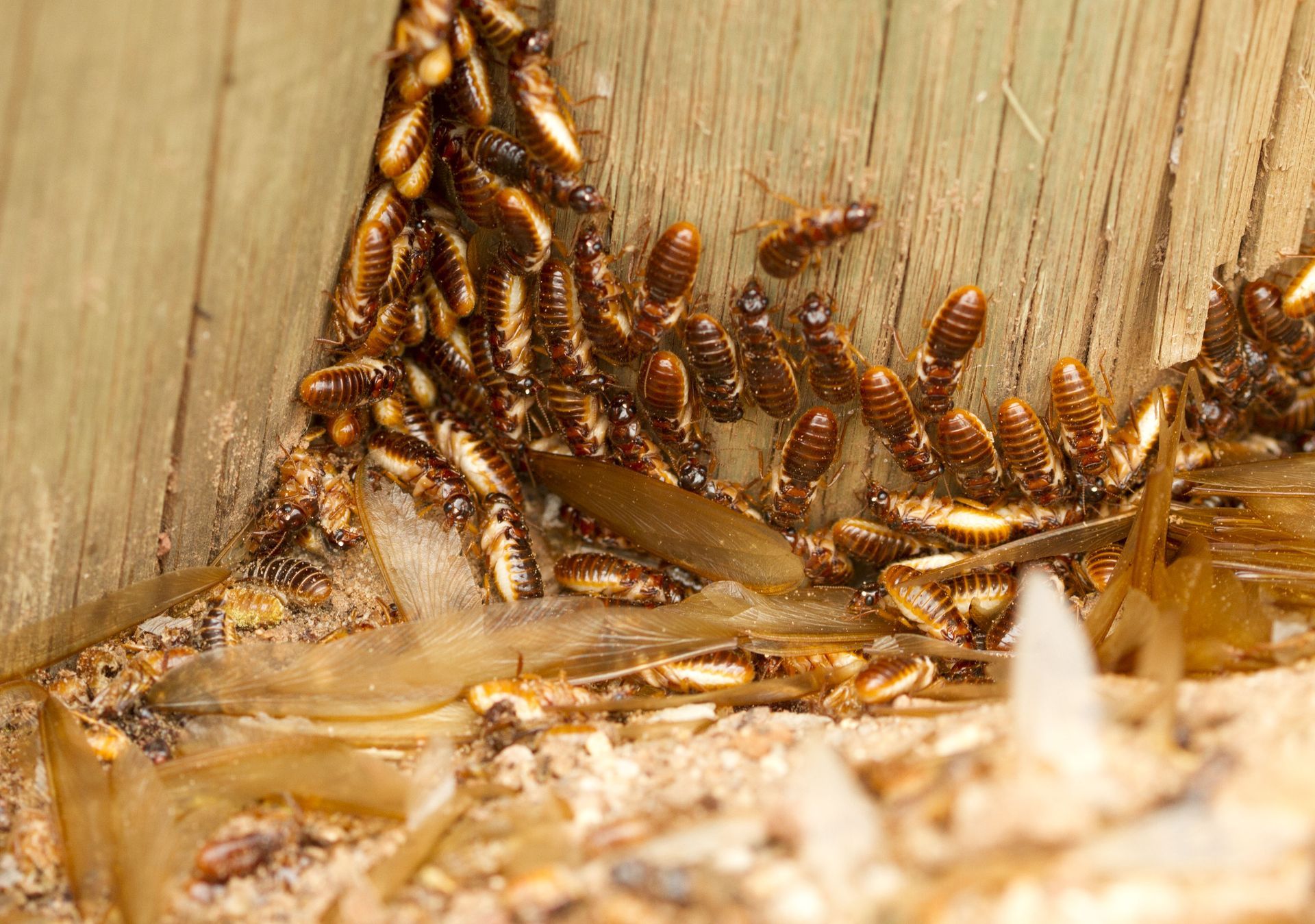
While inspecting these secluded areas, skilled pest exterminators search for structural damage, compromised insulation, and moisture buildup. In attics, they check for torn insulation and gnawed wiring caused by rodents or squirrels. In crawlspaces and basements, they inspect wooden floor joists and sills for soft wood, shelter tubes, or exit holes left behind by wood-destroying organisms like termites or powderpost beetles. Uncovering damage in these hidden areas protects the primary structural integrity of the entire home.
Reviewing Findings and Receiving Recommendations
After completing the physical search, the technician compiles their observations into a detailed diagnostic report. This document outlines any active infestations discovered, specifies the exact species involved, and notes all structural or environmental vulnerabilities identified across the property. Photos and location notes are often included to provide clear visual evidence of the issues found. Having written documentation makes it much easier to track necessary home repairs over time.
Knowledgeable pest exterminators then sit down with the property owner to explain the results in clear, accessible terms. They discuss immediate treatment strategies to clear out existing problems, as well as preventative measures to keep future invaders away. This consultation allows homeowners to ask questions regarding treatment safety, project timelines, and long-term maintenance options. Clear communication ensures that property owners feel fully confident in the proposed action plan.
Maintaining Long-Term Protection and Prevention
A single evaluation is an invaluable diagnostic tool, but ongoing vigilance is key to keeping a property secure year-round. Pest pressures shift dramatically with the changing seasons, meaning that new vulnerabilities can develop as weather conditions evolve. Implementing the technician's repair recommendations—such as sealing foundation cracks, repairing leaking pipes, and installing door sweeps creates a durable defense system. Taking prompt action on these fixes builds a strong barrier against future invasions.
Collaborating with licensed pest exterminators for routine seasonal checkups ensures that minor vulnerabilities are caught early before they develop into full-blown issues. By combining professional expertise with proactive home maintenance, property owners can enjoy lasting peace of mind knowing their home remains healthy, structural integrity is preserved, and living spaces stay completely comfortable. Consistent scheduling ultimately provides the most reliable protection for any home investment.
Understanding the intricate steps of a professional inspection reveals just how valuable expert oversight is for preserving a property's safety, hygiene, and overall value. From identifying tiny exterior access gaps to navigating obscure attic and crawlspace corners, a trained technician provides clarity and protection that simple DIY efforts cannot replicate. By catching hidden invaders early, homeowners can save thousands of dollars in potential structural repairs while securing a healthier environment for their families. Investing in periodic professional evaluations remains the single most effective way to safeguard any property against unpredictable pest threats. Contact DFW Bug today to schedule your comprehensive home pest inspection and secure complete peace of mind for your home!