September 2, 2026
Cockroaches are skilled at finding dark, quiet, and protected areas where they can remain unnoticed. Because they are often active when a home is quiet, an infestation may continue for some time before homeowners see clear evidence of the problem. These pests can hide in narrow gaps, behind appliances, and inside areas that are rarely inspected during regular cleaning. Their size can also make a difference when it comes to the spaces they can access. According to HomeGuide, American cockroaches can grow to around 2 inches long, while German and Oriental cockroaches are generally less than 1 inch in length. This difference means some species may be easier to spot, while smaller ones can disappear into surprisingly tight spaces. Understanding where cockroaches prefer to hide can help homeowners recognize potential problem areas before the infestation becomes more difficult to manage. Here are five commonly overlooked locations that deserve a closer look.
1. Behind Large Kitchen Appliances
The spaces behind refrigerators, stoves, dishwashers, and other large appliances can create ideal hiding places for cockroaches. These areas are often dark and receive little attention during routine cleaning. Crumbs, grease, moisture, and dust can also accumulate underneath or behind appliances over time. A refrigerator may provide warmth around its motor, while nearby plumbing or appliances can create access to moisture. Cockroaches may remain hidden during the day and travel out at night in search of food. Regularly checking these spaces can help homeowners identify signs such as droppings, shed skins, or unusual activity. Roach control often begins with reducing the conditions that make hidden areas attractive to pests. Moving appliances occasionally and cleaning the surrounding areas can make it more difficult for cockroaches to remain undisturbed.
2. Inside Cabinets and Drawers
Kitchen and bathroom cabinets can provide cockroaches with access to food, water, and dark spaces. While homeowners may clean visible shelves, less frequently used cabinets and the spaces around plumbing openings can be easy to overlook. Small gaps near pipes may provide a pathway into cabinets from walls or other hidden areas. Drawers can also collect crumbs and debris that create another potential food source. Pay particular attention to cabinets beneath sinks, where moisture from plumbing can create favorable conditions. Roach control may involve identifying and addressing gaps, leaks, and other conditions that support pest activity. Storing food in sealed containers can also reduce the amount of accessible food available inside cabinets. A thorough inspection should include corners, hinges, shelf edges, and areas around plumbing connections.
3. Beneath Bathroom Fixtures
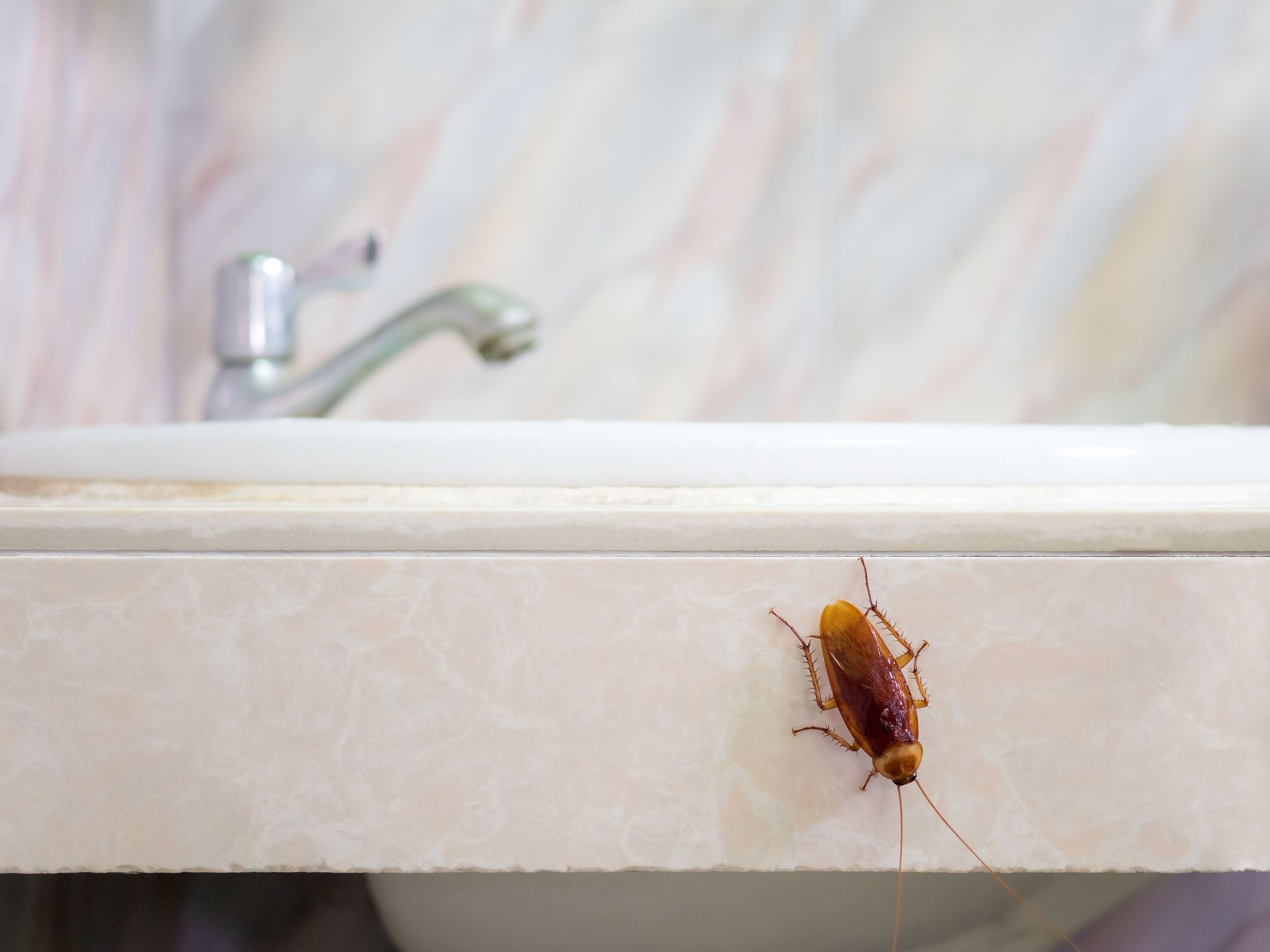
Bathrooms may not seem like an obvious place to look for cockroaches, but they can provide access to moisture and secluded spaces. The areas beneath sinks, around toilets, and behind cabinets may remain undisturbed for long periods. Even a small plumbing leak can create moisture that attracts pests. Cockroaches may also enter through gaps around pipes or openings that connect to wall voids. Homeowners should periodically inspect these areas for signs of water damage or pest activity. In some situations, professional roach control can help identify locations that are difficult to inspect without experience or specialized equipment. Repairing leaks and sealing appropriate gaps can help reduce access to favorable hiding places. Keeping bathroom storage areas clean and dry adds another layer of prevention.
4. Around Laundry Rooms and Utility Areas
Laundry rooms, utility closets, and mechanical spaces can provide several conditions that cockroaches seek. These areas may contain water connections, drains, appliances, and storage boxes that create sheltered hiding spots. A washing machine or water heater may also make it difficult to see every corner of the room. Cardboard boxes and clutter can provide additional places for pests to remain concealed. Homeowners should avoid allowing unnecessary materials to accumulate in utility spaces for extended periods. Regular cleaning can make it easier to notice signs of unwanted activity before the problem spreads. Effective roach control may also include reducing clutter and keeping stored items elevated when possible. Inspecting utility areas should become part of a broader home maintenance routine rather than something done only after pests are seen.
5. Inside Wall Gaps and Hidden Cracks
Some of the most overlooked cockroach hiding places are spaces homeowners cannot easily see. Cracks around baseboards, gaps behind cabinets, openings around pipes, and voids inside walls can all provide protected routes and resting areas. Smaller cockroach species may be especially difficult to notice when they are using narrow spaces throughout a home. These hidden areas can allow pests to move between rooms without being immediately visible. Sealing cracks and openings where appropriate can help limit access and reduce the number of available hiding places. Homeowners should also inspect areas where different building materials meet, since small gaps can develop over time. Professional pest management may be helpful when cockroach activity appears to originate from areas that cannot be easily reached or inspected. Addressing hidden entry points is an important part of reducing the conditions that allow an infestation to continue.
Seeing a live cockroach is not the only indication that these pests may be present. Small droppings, shed skins, egg cases, and unusual odors can all signal activity in or around hidden areas. The location of these signs may provide clues about where cockroaches are entering, feeding, or hiding. A few signs in one area should not be ignored simply because no insects are immediately visible. Cockroaches often remain concealed during daylight hours, making nighttime activity easier to miss. Homeowners can inspect kitchens, bathrooms, storage spaces, and other quiet areas for changes that appear unusual. Finding signs early may make it easier to address the problem before pests spread into additional rooms. Careful observation is often one of the first steps toward understanding the extent of the issue.
Cockroaches need access to basic resources, and homes can unintentionally provide many of them. Food crumbs, uncovered garbage, standing water, and clutter can all contribute to an environment that supports pest activity. Regular cleaning can reduce available food sources, particularly in kitchens and dining areas. Garbage should be managed carefully, and spills should be cleaned promptly. Plumbing leaks and areas of excess moisture should also be addressed as soon as possible. Roach control is more effective when treatment is supported by practical steps that make the environment less appealing to pests. Eliminating unnecessary cardboard, paper, and clutter can also reduce the number of sheltered areas available. A cleaner and better-maintained environment can support long-term efforts to keep unwanted pests away.
Cockroaches may enter a property through small openings around doors, windows, plumbing, utility lines, and other structural features. Inspecting these areas can help homeowners identify gaps that may need attention. Sealing appropriate openings can reduce the number of possible entry routes available to pests. Homeowners should remember that some access points may be difficult to identify without a detailed inspection. A professional can help evaluate areas where cockroaches may be entering or moving throughout the structure. Combining exclusion efforts with other pest management strategies can provide a more complete approach.
Cockroaches can hide in places you may rarely think to inspect, from the space behind appliances to narrow gaps inside walls. By paying closer attention to these overlooked areas and addressing conditions that attract pests, homeowners can take meaningful steps toward a cleaner and more comfortable property. If cockroach activity is becoming difficult to manage, contact DFW Bug today for professional pest control services and a targeted approach to protecting your home.