October 7, 2026
Termites can cause serious damage to a home long before homeowners realize there is a problem. Because these pests often remain hidden behind walls, beneath floors, or inside wooden structures, an infestation can continue growing without obvious warning signs. By the time visible damage appears, termites may have already compromised important parts of the property. Taking action at the first indication of an infestation can help limit damage and prevent the problem from becoming more difficult and expensive to address.
Professional termite control provides homeowners with a structured approach to identifying, treating, and preventing termite activity. According to the National Pest Management Association, nearly 13.29 million residential customers in the United States received professional pest control services in 2025, demonstrating the widespread use of professional services for protecting homes from pests. In this article, we will explain why termites are difficult to detect, how infestations can damage a property, and why prompt professional assistance matters.
Termites Can Remain Hidden for Years
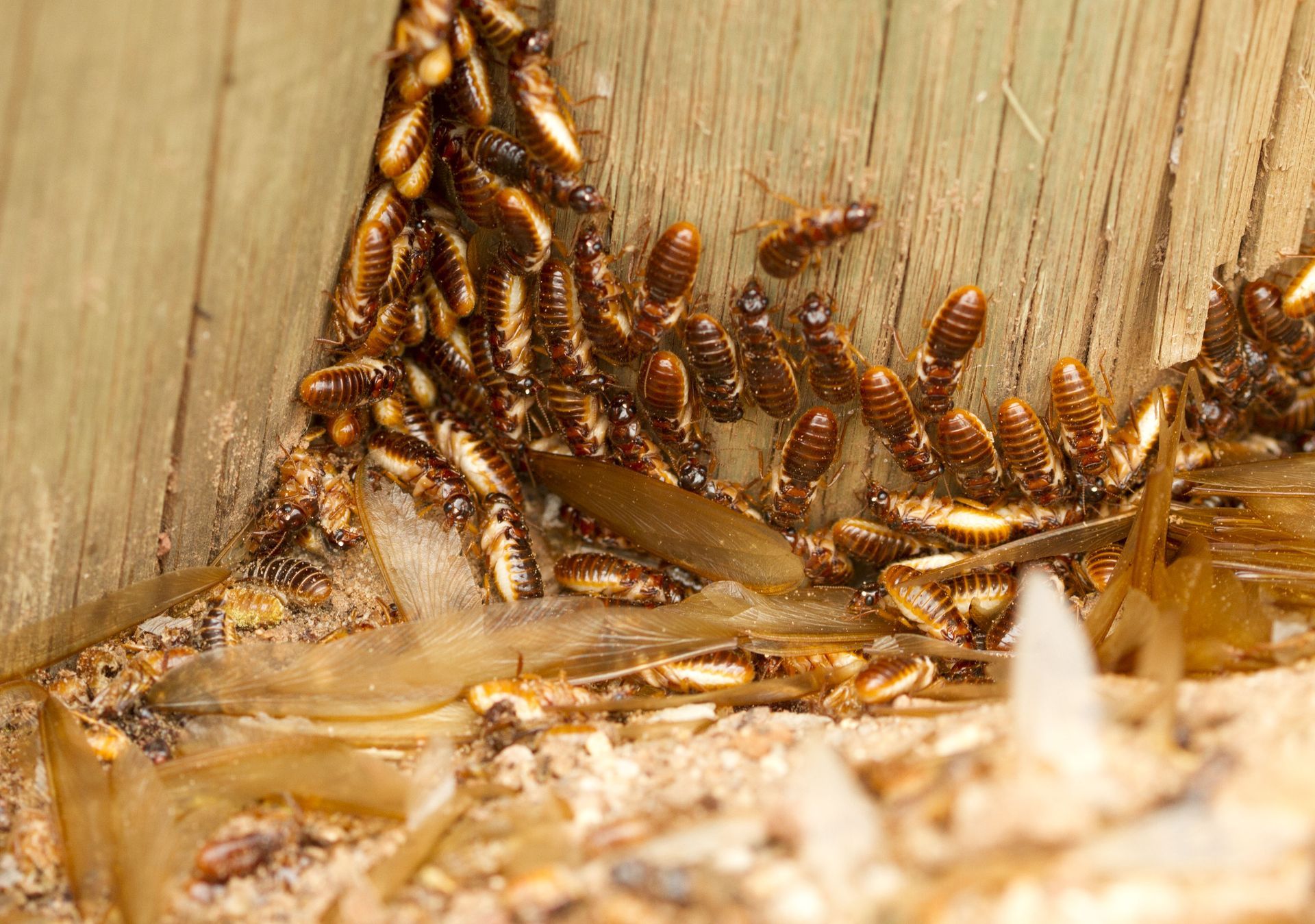
One of the biggest challenges with termites is their ability to stay out of sight. Unlike pests that are commonly seen crawling across floors or countertops, termites can spend much of their time inside wood, soil, walls, or other concealed areas. This makes it difficult for homeowners to determine how extensive an infestation has become simply by looking around the house.
Some early warning signs may include discarded wings near windows, hollow-sounding wood, small piles of termite droppings, mud tubes, or doors and windows that suddenly become difficult to open. However, these signs can be easy to overlook or mistake for ordinary household issues.
A professional inspection can identify evidence that may not be obvious to an untrained homeowner. Professionals know where termites commonly establish colonies and can evaluate areas that are more vulnerable to infestation.
Small Colonies Can Create Major Damage
Termites feed on cellulose, which is found in wood and other plant-based materials. As they continue feeding, they can weaken structural components, flooring, wall materials, furniture, and other wooden features throughout a property.
The extent of damage can vary depending on the termite species, colony size, location, and length of the infestation. In some cases, termites may remain active for an extended period before homeowners notice substantial structural changes.
This is why termite control should not be delayed when signs of activity are discovered. Addressing the issue early may reduce the amount of damage that termites have time to cause and make it easier to protect vulnerable areas of the home.
DIY Treatments May Miss the Colony
Homeowners can find numerous termite products at hardware stores and online, but treating the visible evidence of termites does not necessarily eliminate the underlying infestation. Sprays and other surface treatments may provide limited results when termites are located deep within walls, foundations, soil, or structural wood.
Another challenge is determining where the colony is located. Termite activity in one area of the home does not necessarily mean the main source of the infestation is nearby. Without a thorough inspection, it can be difficult to determine where treatment should be focused.
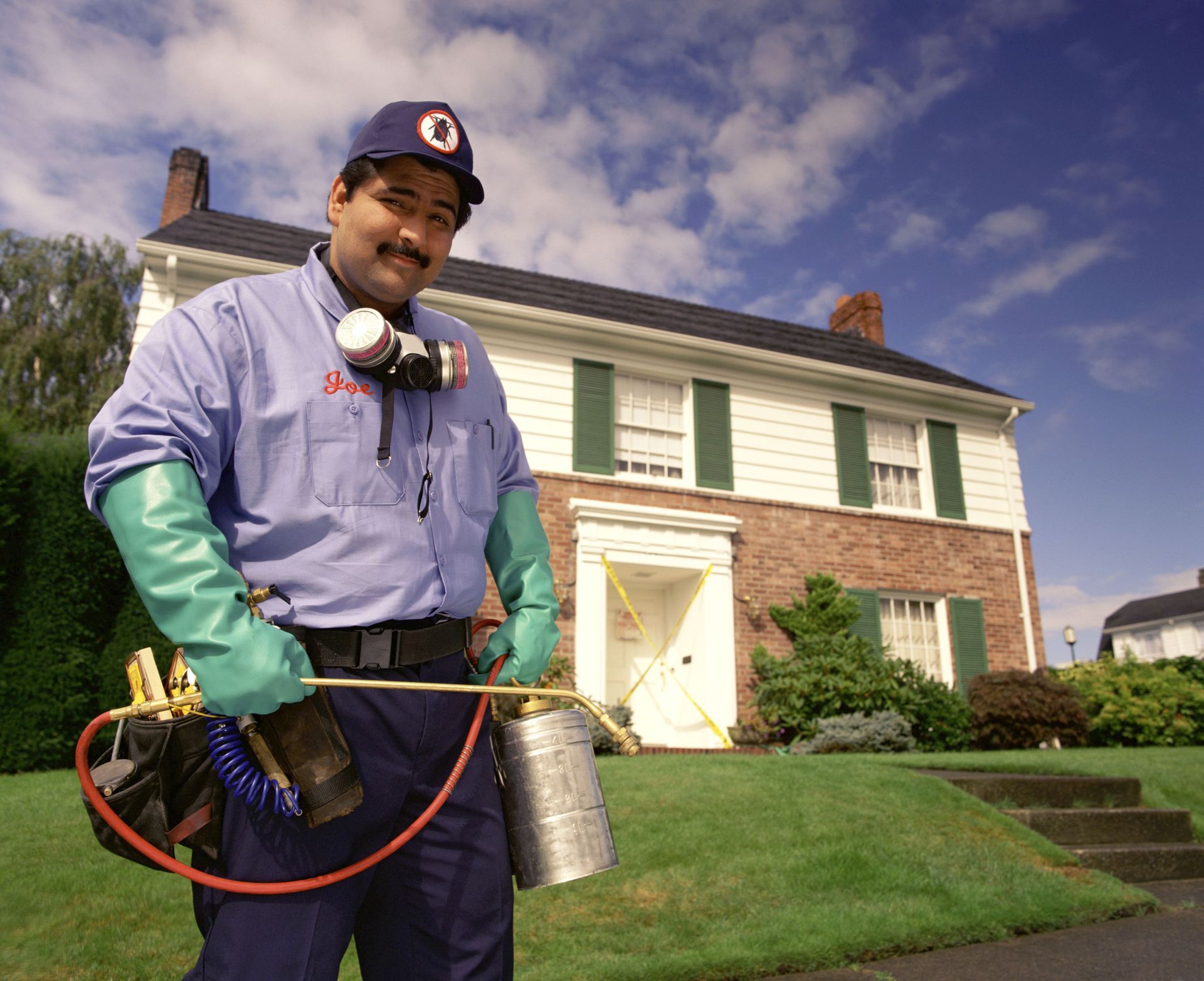
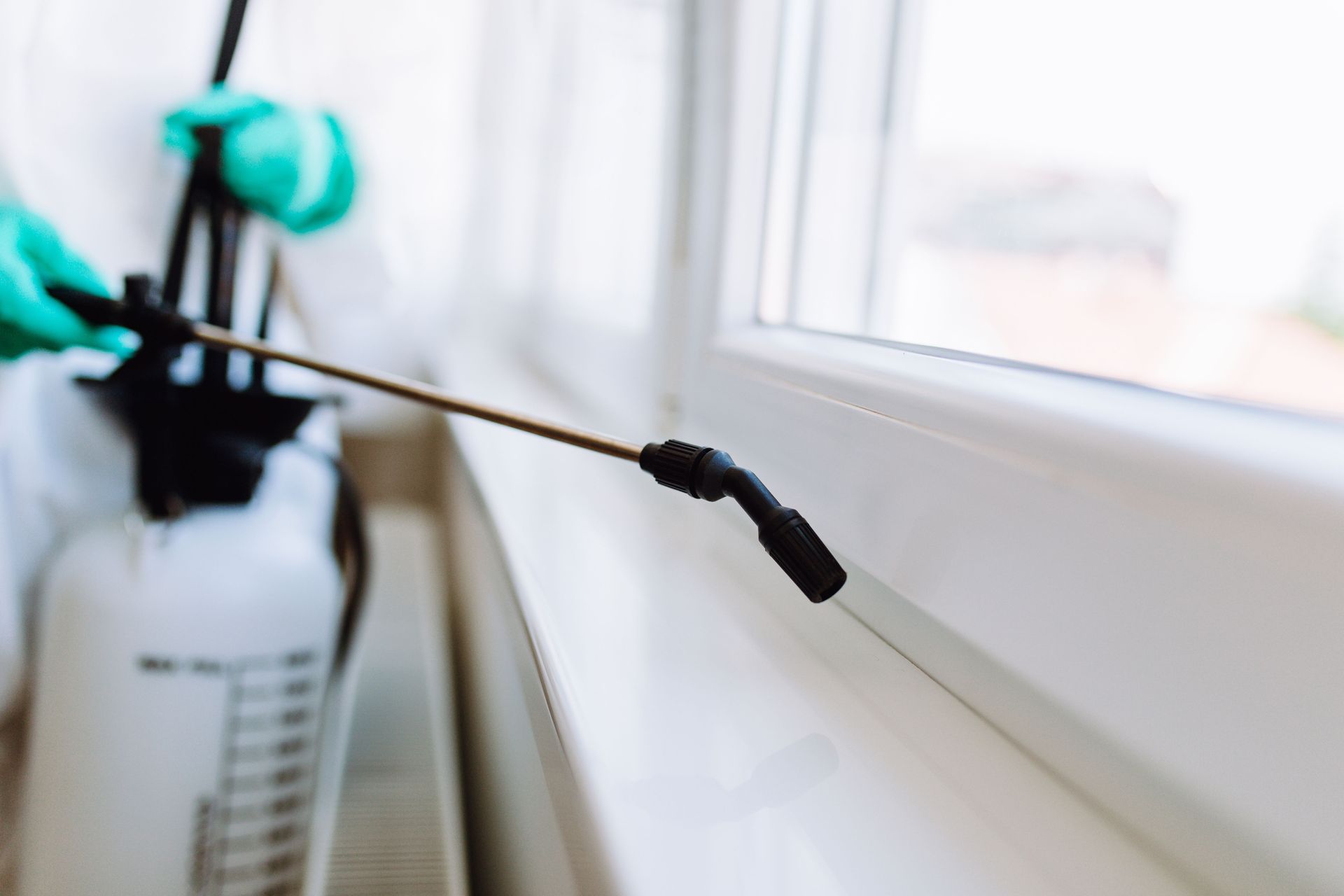
Professional termite control takes the broader infestation into account. Trained technicians can evaluate the property, identify potential entry points and activity zones, and select treatment methods based on the specific circumstances.
Professional Inspections Find Hidden Activity
A professional termite inspection is an important first step when an infestation is suspected. Technicians can examine both obvious and less-visible areas of a property for signs of termite activity.
An inspection may include looking around foundations, crawl spaces, basements, attics, exterior walls, wooden structures, and areas where moisture is present. Professionals can also look for conditions that make a property more attractive to termites.
Finding these conditions is valuable because termite prevention involves more than addressing active insects. Moisture problems, wood-to-soil contact, cracks, and other vulnerabilities can contribute to future pest activity. Identifying them allows homeowners to take steps that can make their property less appealing to termites.
Moisture and Wood Can Increase Risk
Termites are often associated with moisture and readily available sources of wood. Leaking pipes, poor drainage, standing water, and excessive moisture around a foundation can create conditions that may encourage termite activity.
Wooden materials located directly against or near soil can also provide potential access points. In some properties, landscaping features, firewood, mulch, or wooden structures may create pathways between the ground and the home.
Professional termite control can include identifying these risk factors and recommending practical changes. While eliminating every potential risk may not be possible, reducing favorable conditions can be an important part of protecting a property.
Delaying Treatment Can Increase Costs
Termite damage generally does not happen all at once. Instead, colonies can continue feeding over time, gradually weakening affected materials. This means delaying treatment can allow a relatively manageable pest issue to become a much larger property concern.
The financial impact can also extend beyond treating the termites themselves. If structural materials, flooring, walls, or other components have been significantly damaged, homeowners may need additional repair work.
Prompt termite control can help homeowners address an infestation before it progresses further. While no treatment can guarantee that every future termite problem will be prevented, early intervention can reduce the opportunity for an active infestation to continue causing damage.
Professionals Can Create a Long-Term Plan
Effective termite management is not always a one-time process. Depending on the property and the type of infestation, professionals may recommend follow-up inspections, monitoring, preventative treatments, or changes around the home.
A long-term plan can be particularly useful for properties with conditions that make termite activity more likely. Regular inspections may also help identify new activity before it develops into a significant infestation.
Professional termite control gives homeowners access to specialized knowledge and treatment options that can be difficult to replicate with a do-it-yourself approach. Instead of simply reacting to visible insects or damage, homeowners can address the larger factors involved in termite management.
Early Action Protects Your Property
Termites may be small, but the damage they cause can become significant when an infestation is allowed to continue. Because these pests frequently operate out of sight, waiting until damage becomes obvious can give a colony additional time to spread.
Homeowners who notice signs of termites should avoid assuming that a small amount of visible activity means the problem is minor. A professional evaluation can determine whether termites are present, assess the extent of the issue, and help establish an appropriate treatment strategy.
Reliable termite control is ultimately about protecting the home before hidden pest activity becomes a larger problem. Acting quickly can help homeowners understand what they are dealing with and take appropriate steps to protect their property.
Termites can be difficult to detect, but their ability to remain hidden does not make their potential impact any less serious. From weakened wood to costly repairs, an untreated infestation can create problems that extend well beyond the insects themselves. Professional inspections and targeted treatments provide homeowners with a more comprehensive way to identify termite activity and address the conditions that may contribute to future infestations.
When termite activity is suspected, prompt action is important. Contact DFW Bug today to schedule an inspection and take the first step toward protecting your home from termite damage.