October 17, 2026
Mice and rats can cause several problems when they enter a home or business. These rodents may damage building materials, contaminate food storage areas, and leave droppings in places where people live or work. They can also reproduce quickly, making a small rodent problem more difficult to manage over time. Knowing how these pests enter a building and what attracts them can help property owners understand the importance of proper pest control. Removing rodents safely involves more than catching the animals that are visible. It also requires identifying signs of activity, locating possible entry points, and addressing conditions that allow the pests to remain inside. This article explains how local exterminators remove mice and rats safely, from inspecting the property to reducing the risk of future infestations.
Identifying Rodent Activity
The first step in rodent control is determining whether mice or rats are present. These pests are often active at night, so people may notice signs of an infestation before seeing a live rodent. Common indicators include droppings, scratching sounds, damaged packaging, and gnaw marks on various materials. Greasy marks along walls and small tracks in dusty areas may also point to regular rodent movement. The size and location of these signs can help determine which type of rodent is present. Mice are generally smaller and can move through very narrow openings, while rats are larger and may leave more noticeable damage.
Their habits can also differ depending on the building layout, available food, and nearby nesting areas. Local exterminators examine these signs to understand where rodents are active and how widely they may have spread. Finding evidence in multiple rooms may indicate that the problem extends beyond one isolated area. A careful inspection helps establish the scope of the infestation and guides the next steps in the removal process.
Examining Entry Points
Mice and rats can enter buildings through openings around doors, windows, pipes, vents, foundations, and rooflines. Some gaps may be difficult to notice because they are located behind equipment, beneath structures, or around utility connections. Damaged exterior materials can also create access points that allow rodents to move indoors. During an inspection, pest control professionals look for openings that may allow rodents to enter or travel between different parts of the building. They may also examine areas where exterior materials meet, since small gaps can develop as buildings age.
Understanding how rodents enter is important because removing the animals without addressing access points may leave the property vulnerable to another infestation. The location of an opening can provide clues about rodent behavior. For example, signs near food storage areas may suggest that rodents are following an available food source, while activity near walls or utility lines may point to a regular travel route. Local exterminators use these observations to determine which areas need attention and recommend appropriate steps to limit access.
Evaluating Safe Removal Methods
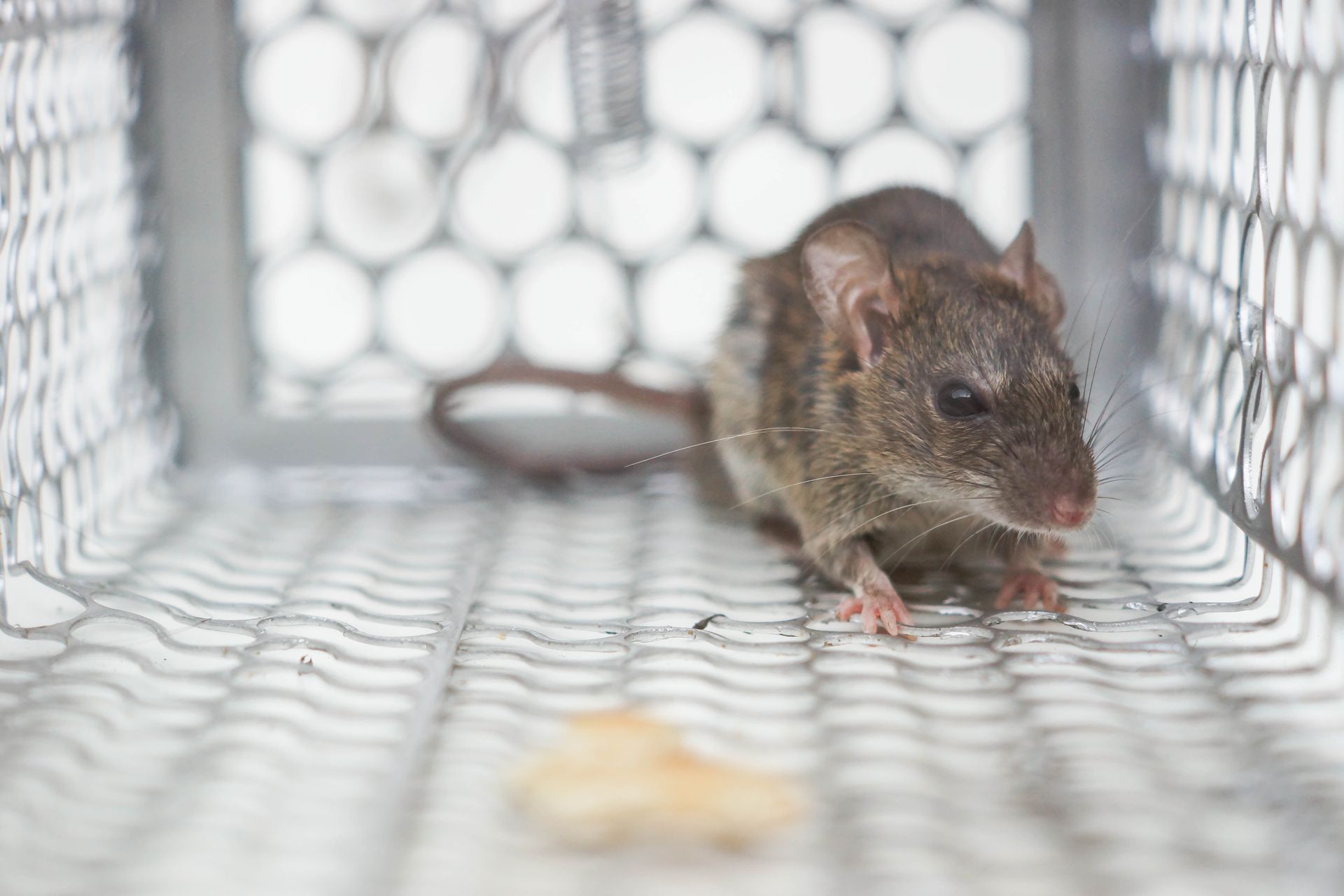
Rodent removal methods depend on the type of pest, the level of activity, and the conditions inside the building. Pest control professionals assess these factors before deciding how to manage the problem. The goal is to reduce rodent activity while limiting unnecessary risks to people, pets, and the surrounding environment. Traps may be used in areas where rodents travel regularly. Their placement is important because rodents often follow established routes along walls, behind stored items, and near food sources. A well-planned approach focuses on areas with clear signs of activity rather than relying on random placement throughout a building.
Some situations may require additional measures based on the size and location of the infestation. Any pest control materials must be handled according to their directions and applicable safety requirements. Improper placement or use can create risks, particularly in areas accessible to children, pets, or other animals. Local exterminators consider these safety concerns when planning rodent removal. They also assess whether the chosen approach is suitable for the building and the people who use it. Careful planning helps make the removal process more controlled and reduces the chance of creating additional problems.
Removing Rodents and Monitoring Activity
Removing mice and rats often requires continuous attention rather than a single visit. Rodents may hide in wall cavities, storage areas, attics, crawl spaces, and other locations that are not easy to access. Even when visible activity decreases, additional rodents may remain elsewhere in the building. Pest control professionals monitor the areas where signs of activity have been found. This may involve checking traps, looking for new droppings, and examining previously affected locations for fresh damage. These observations help determine whether the removal process is working or whether the approach needs to be adjusted.
Monitoring also helps identify changes in rodent behavior. If activity continues in a different room or near another entry point, the original inspection findings may need to be reviewed. Continued signs can indicate that rodents are still present or that access to the building remains possible. Local exterminators use follow-up assessments to evaluate progress and identify remaining concerns. The time needed to manage an infestation depends on how many rodents are present, where they are nesting, and whether new animals can enter the building. Regular monitoring helps provide a clearer picture of the situation and supports more effective long-term control.
Cleaning Contaminated Areas
Rodents can leave droppings, urine, nesting materials, and other waste in areas where they travel or settle. These materials can contaminate surfaces and create unpleasant odors. Rodents may also carry organisms that can cause illness, making safe cleanup an important part of managing an infestation. The cleanup process depends on the location and amount of contamination. Areas with significant rodent activity may require careful handling to limit contact with waste and contaminated materials. Disturbing dry droppings or nesting debris without proper precautions can spread particles into the surrounding air.
Pest control professionals can explain the appropriate steps for addressing affected areas and determine when additional cleanup may be needed. Protective equipment, proper waste handling, and suitable cleaning methods are important considerations. Severely contaminated areas may require more extensive attention than locations with only a few signs of activity. According to the National Pest Management Association, nearly 13 million residential property owners received professional pest control services in 2025. This figure highlights how many property owners seek professional help to address pest concerns. Rodent infestations are one reason people may need assistance identifying activity, managing contamination, and reducing the chance of recurring problems.
Preventing Future Infestations
After rodents have been removed, addressing what attracted them can help prevent another infestation. Mice and rats seek food, water, and shelter, so sealing gaps around doors, vents, and utility openings can help limit entry. Proper food storage, covered trash, and less clutter can also make the building less appealing to rodents. Local exterminators can identify conditions that contribute to recurring infestations and recommend changes such as sealing entry points and monitoring affected areas. Addressing these issues alongside rodent removal can help reduce the risk of another infestation.
Mice and rats can damage property and contaminate indoor spaces. Safe removal involves identifying activity, locating entry points, choosing suitable control methods, and cleaning affected areas. Regular monitoring can help confirm whether the problem has been resolved. If you notice signs of mice or rats, contact DFW Bug to discuss your pest concerns and arrange help from our local exterminators.