October 10, 2026
Finding a crawling pest in the kitchen or bathroom can disrupt the comfort of any home or business. While seeing one pest might seem like an isolated incident, these creatures rarely travel alone. Attempting to address an infestation without proper knowledge often leads to prolonged frustration, as hidden nests remain undisturbed while populations continue to expand. Understanding why these pests are so resilient helps highlight the value of expert intervention. Hiring trained technicians ensures that an infestation is handled thoroughly, efficiently, and with long-term results in mind. Specialized services such as professional roach control target the root of the problem, protecting your space, securing hygiene standards, and providing lasting relief for occupants.
Understanding the Resilience of Common Household Pests
Recognizing the Physical Adaptations of Pests
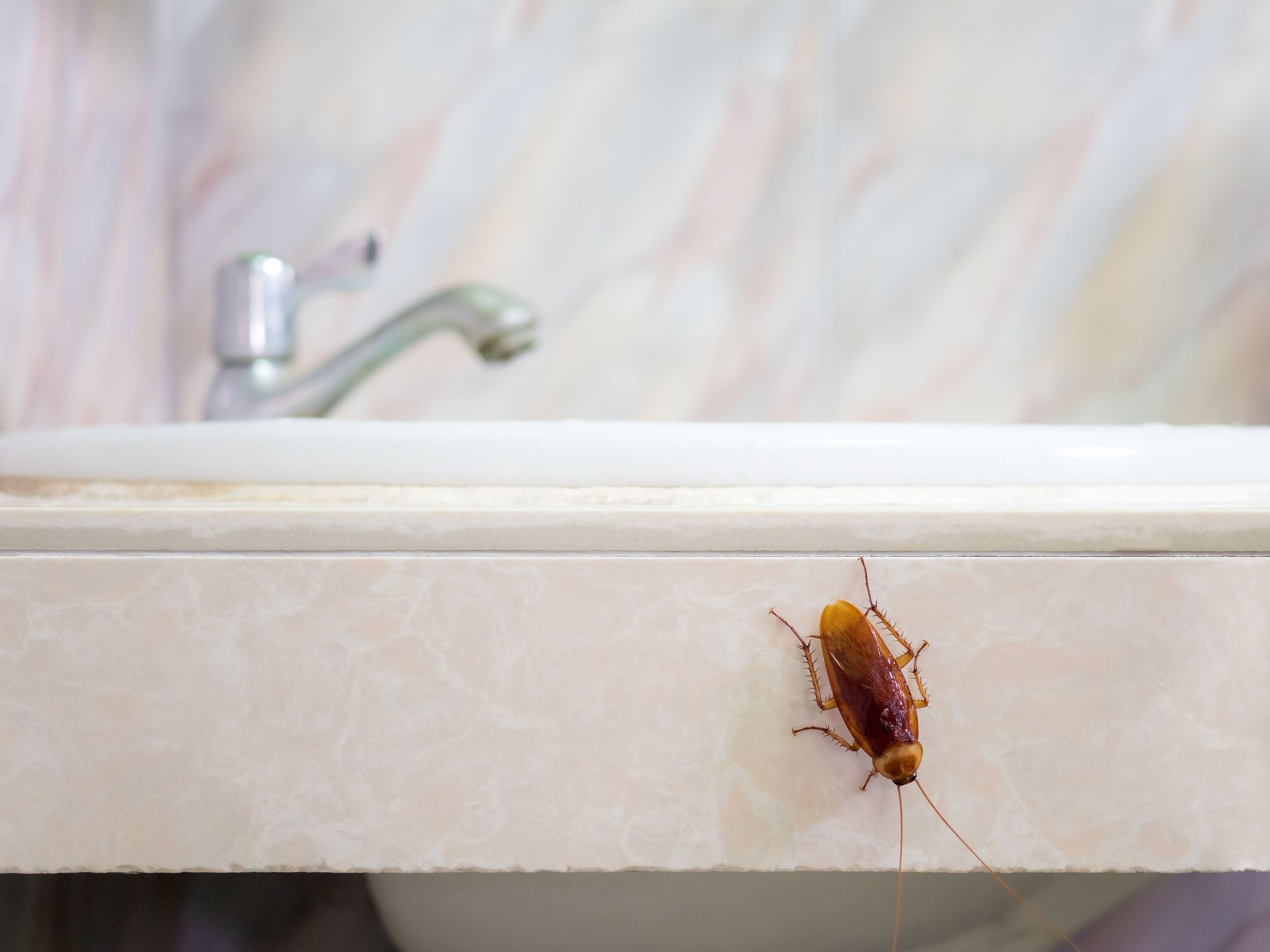
Cockroaches are among the most adaptable creatures on the planet, possessing physical traits that allow them to survive in harsh environments. Their flat bodies enable them to squeeze through tiny crevices in walls, baseboards, and plumbing entry points. Additionally, their ability to go weeks without food makes eliminating them through basic cleaning nearly impossible. Professional roach control accounts for these physiological traits by deploying targeted treatments where pests hide and gather.
Identifying High-Risk Breeding Grounds
Pests thrive in dark, humid environments with easy access to moisture and organic material. Kitchens, bathrooms, basements, and utility closets are prime locations for hidden harborages. Females produce egg cases that contain dozens of offspring, leading to rapid population growth within weeks. Expert technicians know where to inspect to identify these hidden breeding areas before the infestation spreads further throughout the structure.
Navigating the Hidden Health Hazards of Infestations
Analyzing Potential Pathogens and Bacteria
Pests carry bacteria, viruses, and fungi on their bodies and in their digestive tracts. As they crawl over countertops, food preparation areas, and eating utensils, they transmit harmful microorganisms. Exposure to these pathogens can cause food poisoning, gastroenteritis, and other infections. Utilizing specialized roach control stops the spread of contamination by removing pests from food storage and preparation zones before health risks multiply.
Evaluating Indoor Air Quality and Allergens
Cast skins, droppings, and decaying bodies release airborne particles that degrade indoor air quality. These allergens are a leading trigger for asthma attacks and chronic respiratory issues, particularly in young children and the elderly. According to Pest Control Technology, nearly 12% of American homes experience pest issues related to rodents annually, demonstrating how frequently households face unwanted invaders that compromise living conditions. Comprehensive pest management mitigates these health hazards by eliminating allergen sources directly at the source.
Evaluating the Value of Expert Diagnostic Methods
Executing Comprehensive Property Inspections
Effective elimination begins with a clear understanding of the property layout and the extent of the infestation. Trained technicians conduct thorough multi-point checks of structural entry points, moisture sources, and hidden voids. This detailed assessment ensures that treatment plans address specific vulnerabilities rather than applying generic solutions that only scratch the surface.
Customizing Targeted Treatment Strategies
Every property presents unique conditions, structural designs, and levels of activity. Generic approaches rarely yield lasting results because they fail to account for specific pest species or harborage locations. Expert services assess factors like structure type and pest habits to implement localized treatments. Services like dedicated roach control focus on disrupting specific life cycles to ensure the entire population is eradicated efficiently.
Comparing Long-Term Protection Against Short-Term Fixes
Addressing Hidden Harborages and Nests
Surface-level attempts often target only the visible pests, leaving hidden nests and egg cases intact beneath floors or inside wall cavities. Overlooking these hidden areas guarantees that the population will bounce back within weeks. Experienced technicians use specialized detection tools and application methods to reach deep into structural voids where pests breed and seek shelter from ambient disturbances.
Implementing Integrated Pest Prevention Practices
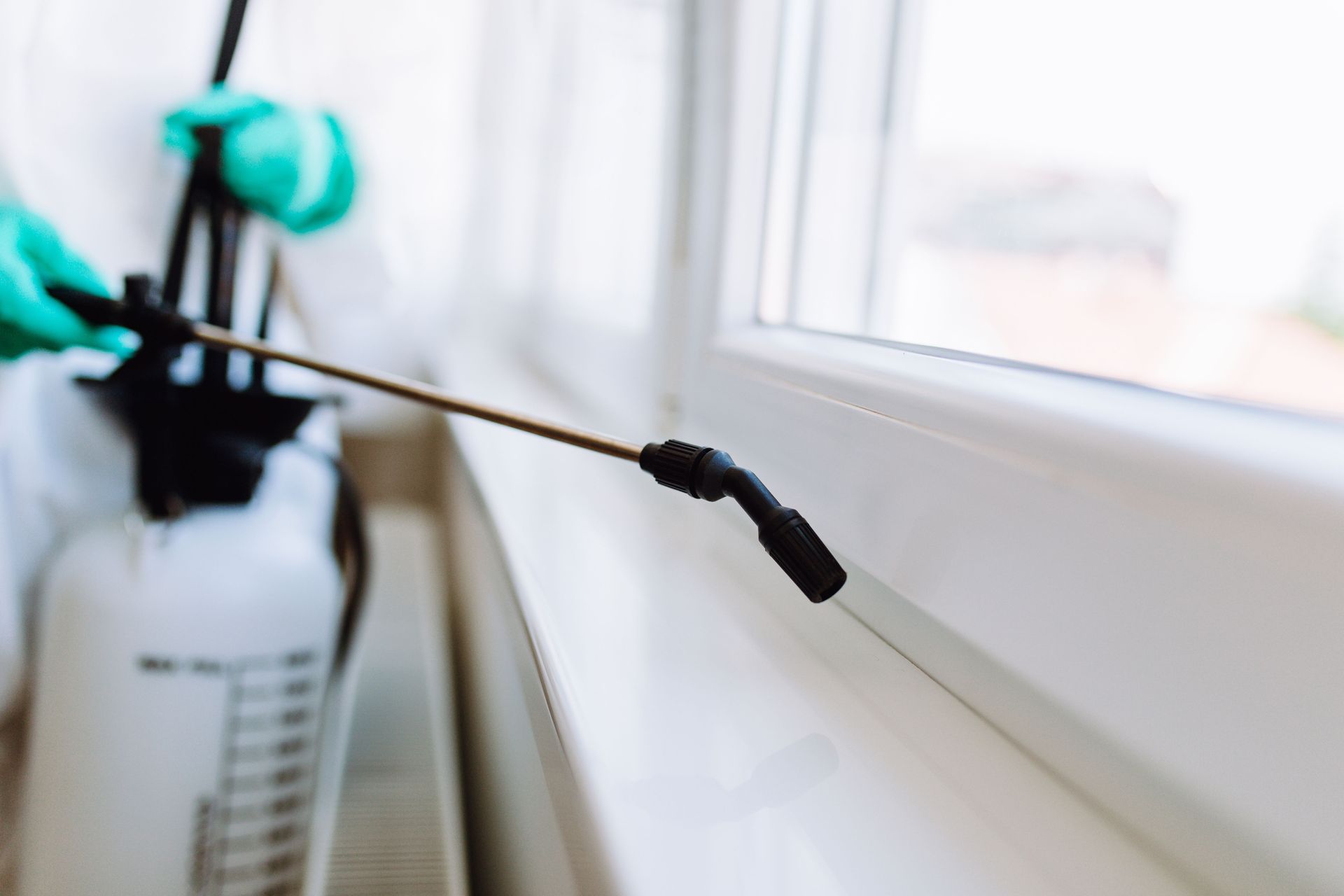
Eradicating an active infestation is only the first part of a complete solution. Long-term relief requires creating structural barriers and removing attractants to stop future invasions. Certified professionals evaluate environmental factors, sealing entry points and recommending moisture control habits to create an inhospitable environment for returning pests. Specialized roach control works as an ongoing defense strategy rather than a temporary fix.
Assessing Complete Pest Management Solutions
Managing Crawling Insects Around the Structure
Pests rarely operate in complete isolation, as conditions that attract one type of crawling insect often lure others. A comprehensive management program addresses multiple species to maintain a healthy interior environment. Property owners often combine treatments to maintain total control over various structural invaders that threaten health and comfort.
- Ant Control addresses trailing colonies that enter through foundation cracks.
- Bed Bug Heat Treatment utilizes high temperatures to clear invasive bed bugs from mattresses and furniture.
- Cockroach Pest Control focuses on persistent indoor infestations in high-moisture zones.
- Flea and Tick Control targets biting insects hiding in carpets, upholstery, and yard areas.
- Scorpion Control creates protective barriers along foundations and perimeter walls.
- Spider Control reduces web-building activity and secondary pest populations.
Handling Stinging Insects and Aerial Threats
Nests built near doorways, eaves, or outdoor living spaces create immediate safety risks for residents and visitors. Removing these aggressive insects requires specialized protective gear and precise application methods to avoid accidental stings or allergic reactions.
- Hornet Control neutralizes aggressive aerial nests located near high-traffic areas.
- Mosquito Control lowers biting populations in shaded yards and near standing water.
- Wasp Control addresses paper nests tucked under rooflines and window frames.
- Yellow Jacket Removal safely eliminates ground-nesting colonies before disturbance occurs.
Resolving Rodent and Wildlife Intrusions
Larger pests cause significant structural damage by chewing electrical wiring, tearing insulation, and contaminating storage areas with urine and droppings. Removing mammals demands strategic placement of traps along established travel pathways.
- Mouse Extermination clears small rodents nesting inside wall cavities and cabinets.
- Rat Extermination manages larger infestations that threaten structural safety and sanitation.
- Squirrel Removal addresses active wildlife nesting in attics and soffits.
Protecting Structural Integrity from Wood-Destroying Organisms
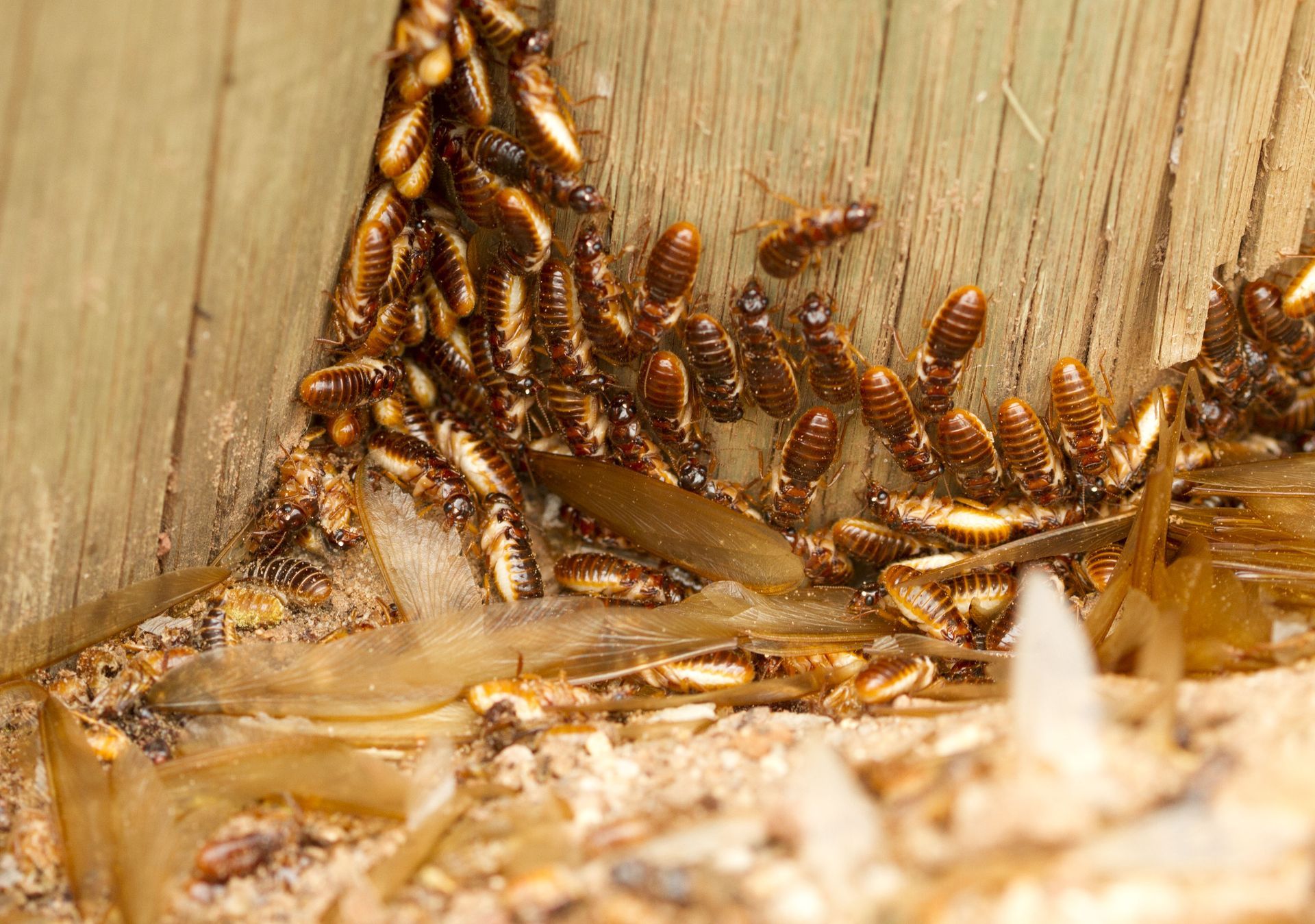
Certain pests work silently inside walls and wooden supports, causing severe structural damage before visible signs appear. Routine inspections and protective treatments safeguard the physical stability of residential and commercial structures over time.
- Carpenter Ant Control stops large ants from excavating galleries inside damp framing lumber.
- Termite Baiting installs continuous monitoring stations around the perimeter to intercept active subterranean colonies.
- Termite Inspection identifies subtle signs of wood damage, mud tubes, and structural risks.
- Termite Pest Control applies targeted liquid barriers to protect foundation walls from future attacks.
Recognizing the Importance of Ongoing Maintenance
Establishing Perimeter Defense Barriers
Maintaining a pest-free environment requires continuous vigilance rather than one-time interventions. Environmental changes, weather shifts, and seasonal temperatures prompt pests to seek shelter indoors throughout the year. Routine external barrier applications ensure that pests are intercepted before establishing entry points into living areas. Implementing routine roach control as part of a seasonal maintenance plan prevents surprise population spikes during warmer months.
Safeguarding Family Health and Property Integrity
Partnering with trained technicians provides consistent monitoring and early detection of prospective infestations. Professional oversight protects building materials from physical damage, preserves indoor air quality, and maintains a clean environment for occupants. Entrusting structural defense to experienced
roach control professionals grants peace of mind, knowing that qualified experts are managing health and safety standards. To keep your home comfortable, healthy, and entirely free of unwanted invaders, contact DFW Bug to schedule a comprehensive property inspection today.