November 1, 2026
Pest management is vital for maintaining a clean living space. Both natural remedies and commercial approaches have distinct merits, but knowing when do-it-yourself tactics are insufficient saves time, money, and health risks. This guide explores the differences between home strategies and hiring a qualified extermination service, helping homeowners make informed decisions. Early recognition of an insect or rodent invasion prevents structural harm and protects household wellness.
Understand Common Household Pest Threats
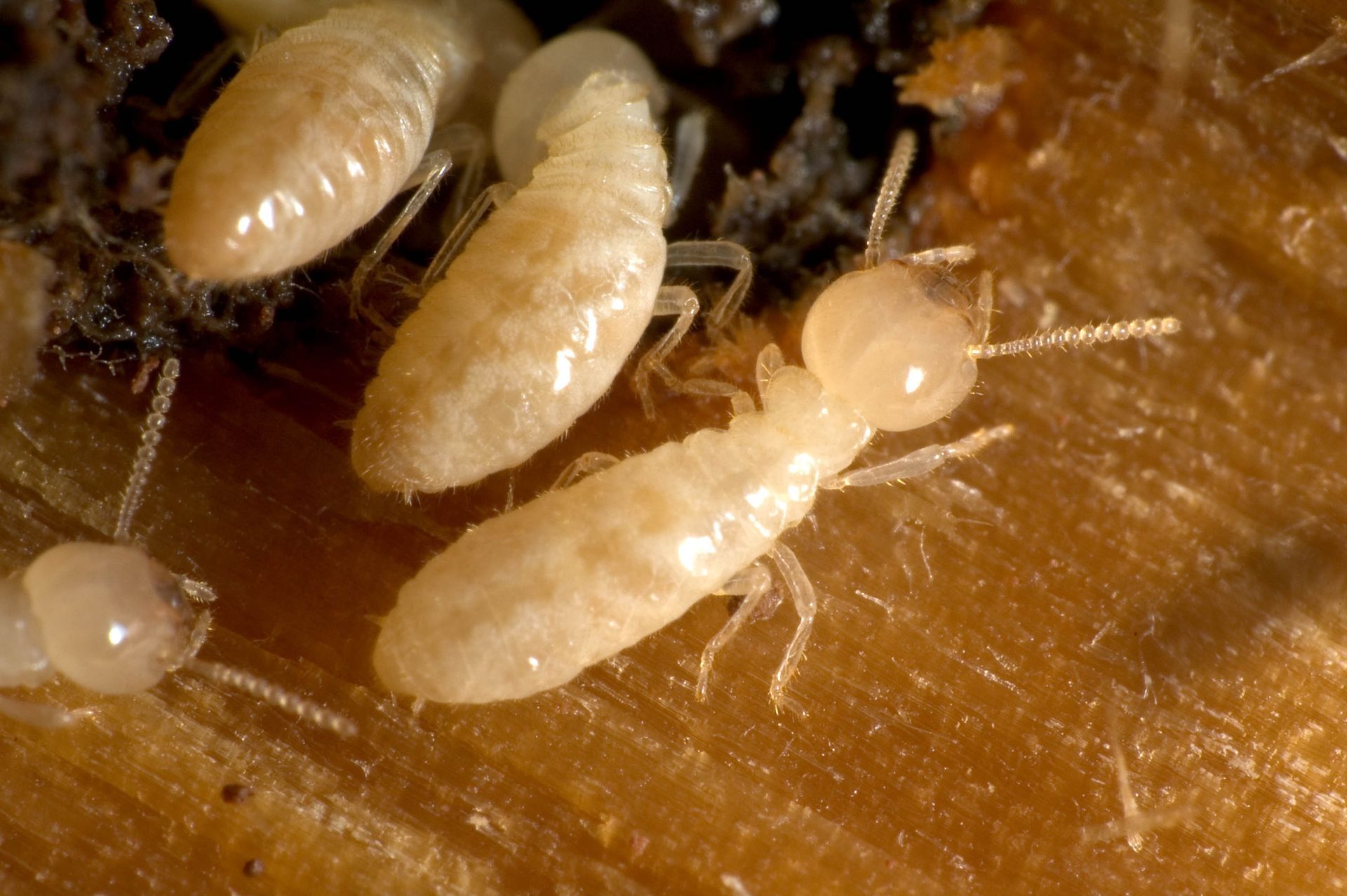
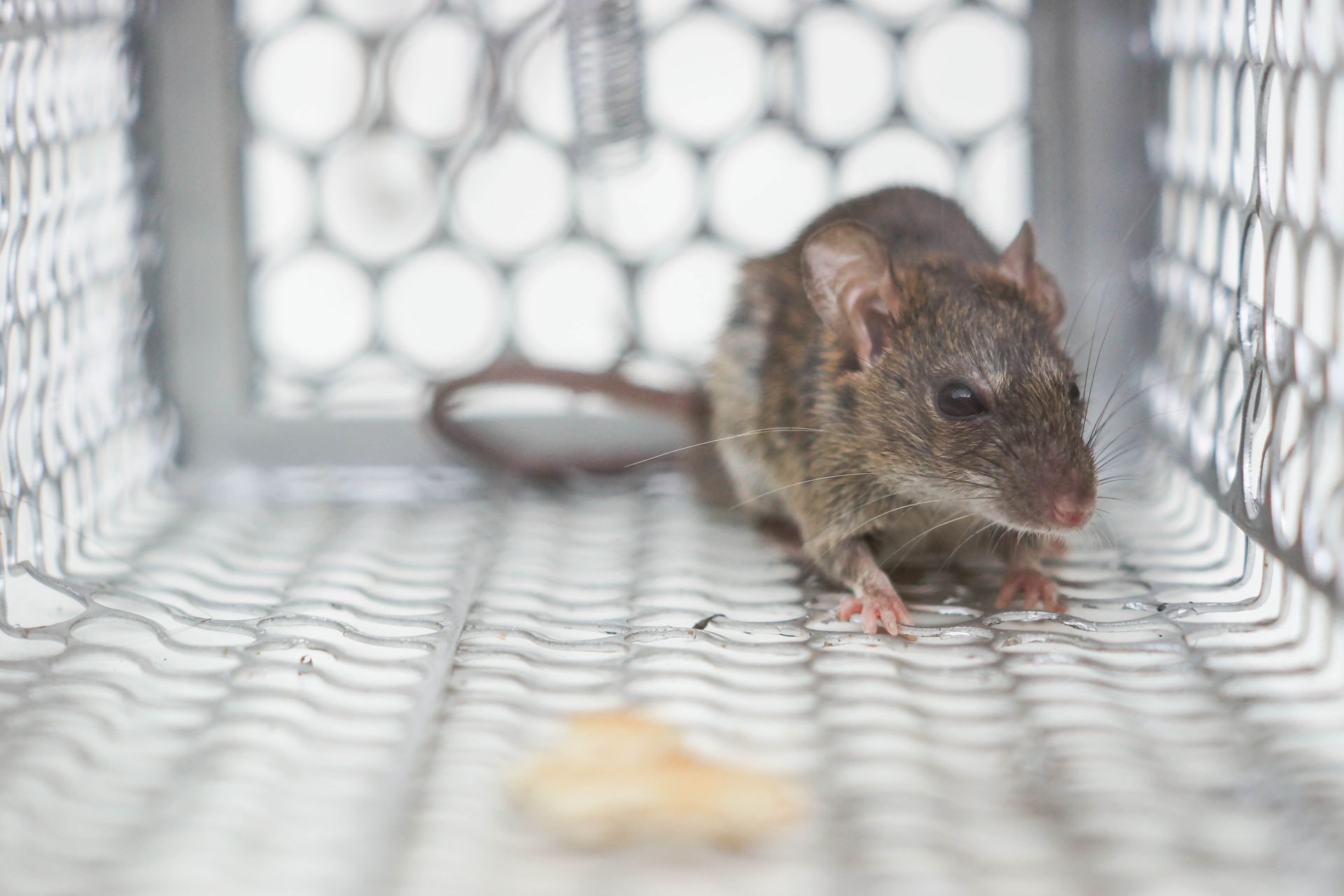
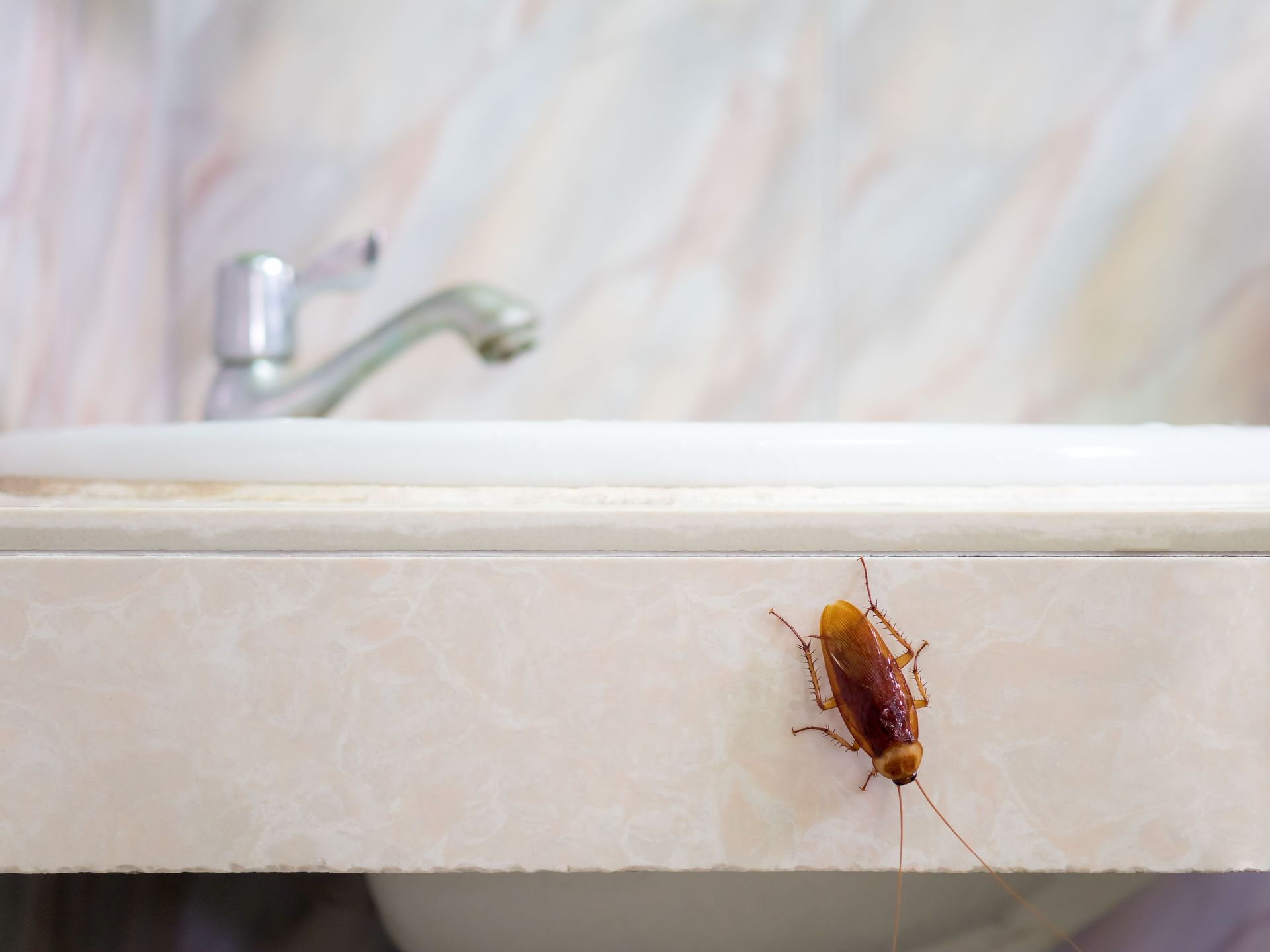
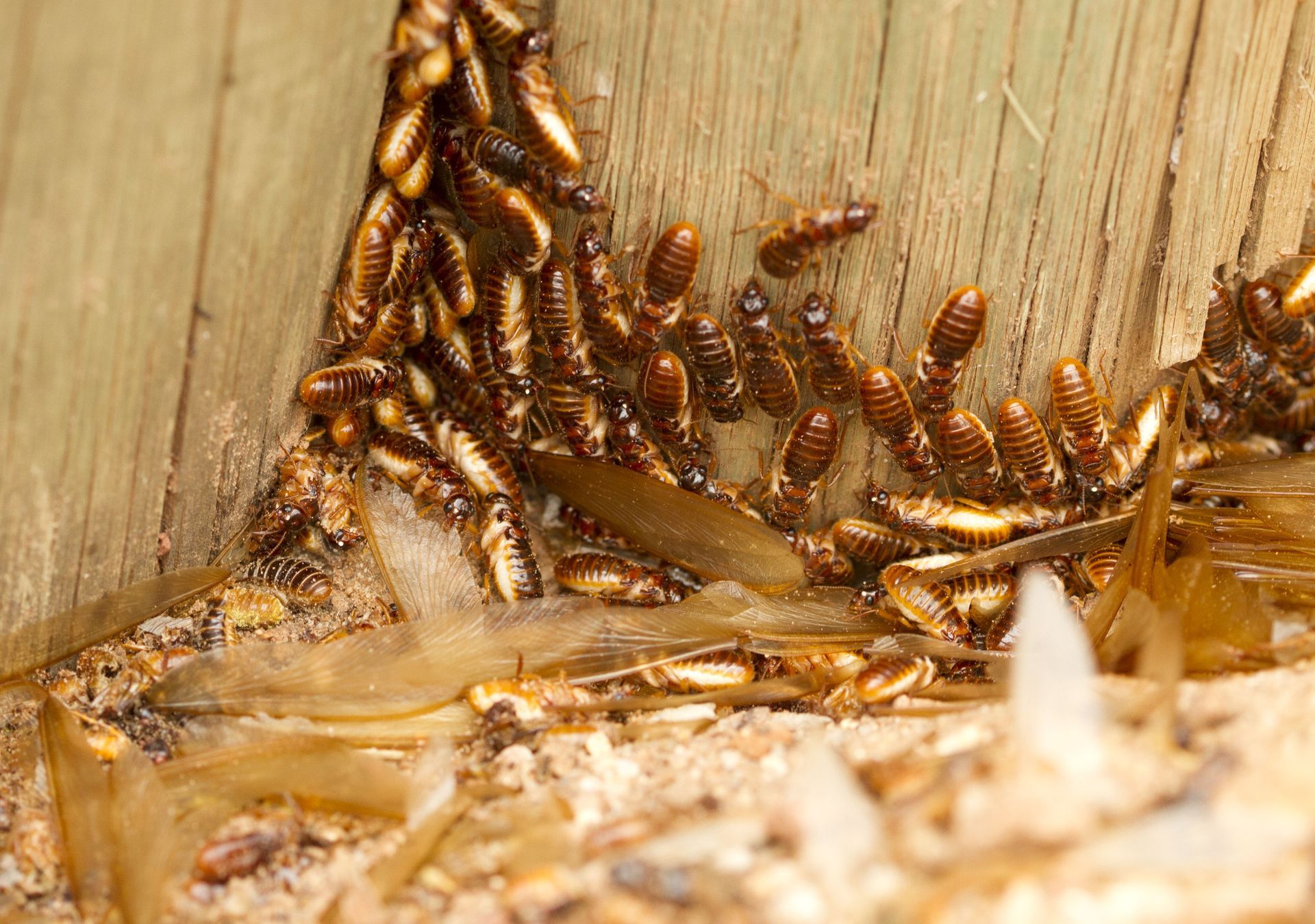
Household invaders such as cockroaches, ants, termites, and rodents frequently disrupt residential properties. These creatures cause physical damage and pose health risks through harmful pathogens. Learning the habits and life cycles of these intruders is essential for household preservation. Proactive observation allows property owners to resolve insect issues before damage spreads throughout walls, attics, and foundations.
Many residents fail to identify early indicators of an invasion, including small droppings, gnawed wiring, and peculiar smells. Regular inspections reveal hidden concerns early, permitting manageable interventions. Natural deterrents rely on non-toxic elements, whereas commercial chemical solutions introduce synthetic active ingredients. While non-toxic items emphasize prevention, chemical products produce fast results, creating a choice between speed and safety.
Do-it-yourself tactics remain popular because of perceived savings and lower chemical usage. Simple practices like wiping surfaces with vinegar or blocking entry gaps serve as common baseline techniques. Even so, these home remedies present practical limitations that frustrate property owners. Inaccurate pest identification causes ineffective treatments, allowing colonies to multiply until hiring an extermination service becomes necessary.
Implement Practical Green Treatment Tactics
Choosing ecological treatment plans offers tangible benefits, particularly regarding household safety and environmental health. Non-toxic alternatives avoid aggressive synthetic chemicals, making them suitable for residences with pets and children. Using organic compounds reduces runoff into watersheds and minimizes toxic buildup in soil. These preventative practices support broader conservation initiatives, aligning insect prevention with environmental responsibility.
Popular biological pest treatments utilize concentrated essential oils, botanical repellents, and diatomaceous barriers. Peppermint oil deters rodents from entering pantries, while neem oil sprays deter foliage insects. Introducing beneficial predators like ladybugs decreases nuisance populations without contaminating garden spaces. While botanicals perform well against vulnerable insects, resilient pests often tolerate botanical sprays, creating unpredictable results.
A common misconception suggests that eco-friendly methods never rival synthetic chemicals in controlling pests. When applied with precision and persistent effort, green products manage small populations and deter migrating insects successfully. Even so, green solutions lose effectiveness during intense infestations or against wood-destroying species. If expanding termite colonies compromise framing lumber, homeowners must look past mild deterrents and retain an extermination service for targeted control.
Evaluate Commercial Pest Control Solutions
Securing licensed professional assistance provides significant benefits, notably specialized knowledge that guarantees precise insect identification and targeted corrective measures. Specialists employ advanced technologies that manage severe infestations without wasteful trial and error. Commercial treatments feature service guarantees, providing reassurance through scheduled inspections. A reputable extermination service evaluates structural vulnerabilities, combining immediate corrective action with preventive protocols.
Commercial pest management relies on integrated pest strategies, merging meticulous site evaluations, mechanical exclusion, and targeted applications. Experienced technicians inspect crawl spaces, attics, and perimeters to build customized remediation plans. They employ specialized tools that ensure precise placement while strictly minimizing chemical volume. Recent technological advances have upgraded treatment performance, introducing thermal applications, bait traps, and monitors that resolve infestations with minimal disruption.
The overall investment required for professional treatment varies based on property size and infestation severity. Routine consultations clarify immediate needs, although extensive treatments require greater financial planning. Investing in commercial services prevents catastrophic structural expenditures caused by undetected wood-boring insects. Selecting a professional team requires verifying licenses, reviewing customer feedback, and ensuring technicians follow established safety standards during treatments.
Prioritize Household Health and Safety
Improper application of do-it-yourself chemicals frequently introduces hazardous domestic exposures that threaten indoor air quality. Concentrated botanical oils trigger dermal irritation and allergic respiratory issues in sensitive individuals. Combining ordinary cleaning solutions often generates hazardous fumes that linger in unventilated rooms. Unregulated chemical sprays produce residue accumulation across flooring, creating ongoing hazards for crawling toddlers and pets.
Household chemical exposure remains common nationwide. In fact, according to the U.S. Environmental Protection Agency, roughly 75% of domestic residences applied an indoor pesticide product at least once over the course of the preceding year. This widespread chemical application underscores the vital necessity of following strict container protocols. Professional exterminators counter exposure risks by wearing protective gear and implementing targeted delivery methods that shield residents from unwanted chemical contact.
Unintended chemical exposures also provoke acute allergic responses, ranging from mild skin irritation to severe breathing distress. Property managers must balance quick chemical relief against potential health complications. While over-the-counter sprays provide instantaneous fixes, their repetitive application introduces cumulative risks throughout living areas. Choosing an experienced extermination service guarantees that applications prioritize residential safety through regulated products, measured applications, and complete ventilation.
Minimize Broader Residential Environmental Hazards
Both domestic treatments and commercial interventions leave environmental footprints that demand careful consideration from conscientious property owners. Natural pest barriers minimize broader ecological damage by incorporating biodegradable plant compounds and non-toxic powders. Synthetic chemical products present greater hazards of leaching through permeable ground surfaces, potentially contaminating nearby drainage basins. Comparing these distinct environmental profiles enables residents to select effective strategies that minimize collateral damage.
Eco-friendly solutions interact dynamically with local wildlife, occasionally creating complications for delicate suburban networks. Non-target insects might abandon outdoor landscaping, disrupting natural predatory hierarchies that suppress undesirable garden species. Prolonged use of synthetic chemical sprays presents severe repercussions, carrying synthetic compounds into communal water systems and harming aquatic fauna. Modern commercial applicators counter these environmental problems by using biodegradable formulas that target specific pest populations.
Balancing complete insect elimination against natural ecological conservation represents an important ongoing priority for modern homeowners. Integrated pest methodologies emphasize ecological balance by combining structural exclusion, habitat adjustments, and conservative chemical applications. Limiting unintended ecological harm requires maintaining healthy outdoor predator populations, including insect-eating birds. Embracing these advanced integrated protocols ensures that scheduling an extermination service eliminates active pests while maintaining environmental stewardship around residential spaces.
Recognize Critical Warning Signs Early
Identifying clear warning indicators that home remedies have failed remains essential for scheduling timely commercial remediation. Persistent pest sightings, recurring structural damage, and ongoing property destruction indicate that retail remedies are failing. Large, aggressive insect populations rapidly surpass the modest capabilities of botanical sprays and basic store traps. Developing biological risks from insect bites, structural damage, and droppings demand prompt attention from certified professionals before problems escalate.
Accurately evaluating the scope of an infestation determines whether self-treatment remains practical or professional intervention is mandatory. Technicians calculate pest reproduction rates, nesting locations, and building vulnerabilities before initiating corrective steps. Involving experienced specialists prevents costly degradation across foundational joists, insulation, and interior drywall. Thorough professional diagnostic assessments empower property owners to take decisive corrective action, substituting ineffective store-bought products with proven commercial treatment protocols.
Time constraints, licensing mandates, and technical complexities represent significant factors when choosing between self-treatment and commercial remediation. Modern household schedules rarely permit the frequent reapplication cycles that botanical solutions require. Lacking technical familiarity with insect nesting habits renders domestic efforts inefficient against resilient colonies. Partnering with a dedicated extermination service resolves these technical constraints through prompt interventions, dedicated follow-up visits, and lasting peace of mind.
Deciding between natural remedies and professional solutions requires an objective understanding of the benefits and limitations inherent in each method. This analysis has detailed the central factors guiding this choice, including health protection, ecological safety, operational efficiency, and long-term costs. Armed with these comprehensive insights, homeowners can choose dependable pest strategies that protect their residential spaces. If your home requires reliable and lasting pest solutions, contact us at DFW Bug today to schedule our professional extermination service.