November 20, 2026
Pests invade residential properties primarily in search of steady nourishment, making open kitchens and improperly protected pantries prime targets. When dry goods like flour, cereal, and grains remain stored in flimsy cardboard boxes or open plastic bags, beetles, weevils, and rodents can quickly gnaw their way inside. Scattered cooking crumbs beneath kitchen appliances and grease residues across stovetops offer abundant sustenance for ants and foraging cockroaches. Leaving pet food exposed overnight or allowing overflowing kitchen garbage cans to sit unattended amplifies these food aromas, broadcasting an irresistible signal that pulls hungry scavengers into indoor living spaces from the outside neighborhood.
Outdoor food sources create an equally potent invitation for pests seeking substantial nutrition around the building perimeter. Backyard compost piles that are not turned regularly or lack secure protective barriers generate intense odors that draw raccoons, rats, and destructive swarms of flies. According to Pyramid Pest Control LLC, pests can consume more than 50% of crops, demonstrating just how voracious invasive organisms become when provided with abundant organic material. To safeguard your living spaces, you must clean pantry shelving consistently, secure foodstuffs in airtight glass or thick plastic containers, and routinely enlist a dedicated extermination service to address persistent infestations before insects reproduce unchecked.
Eliminating Hidden Moisture Sources
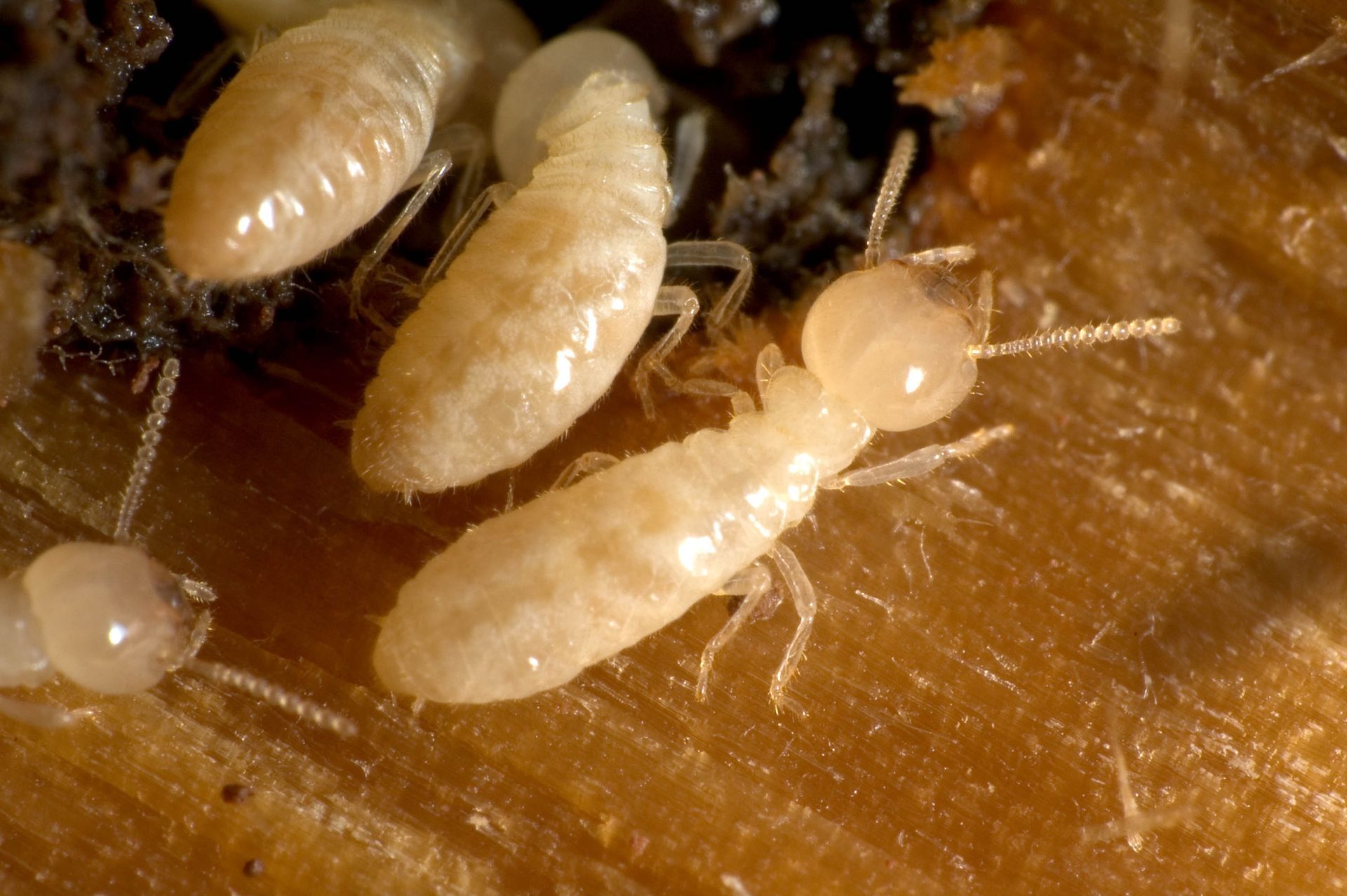
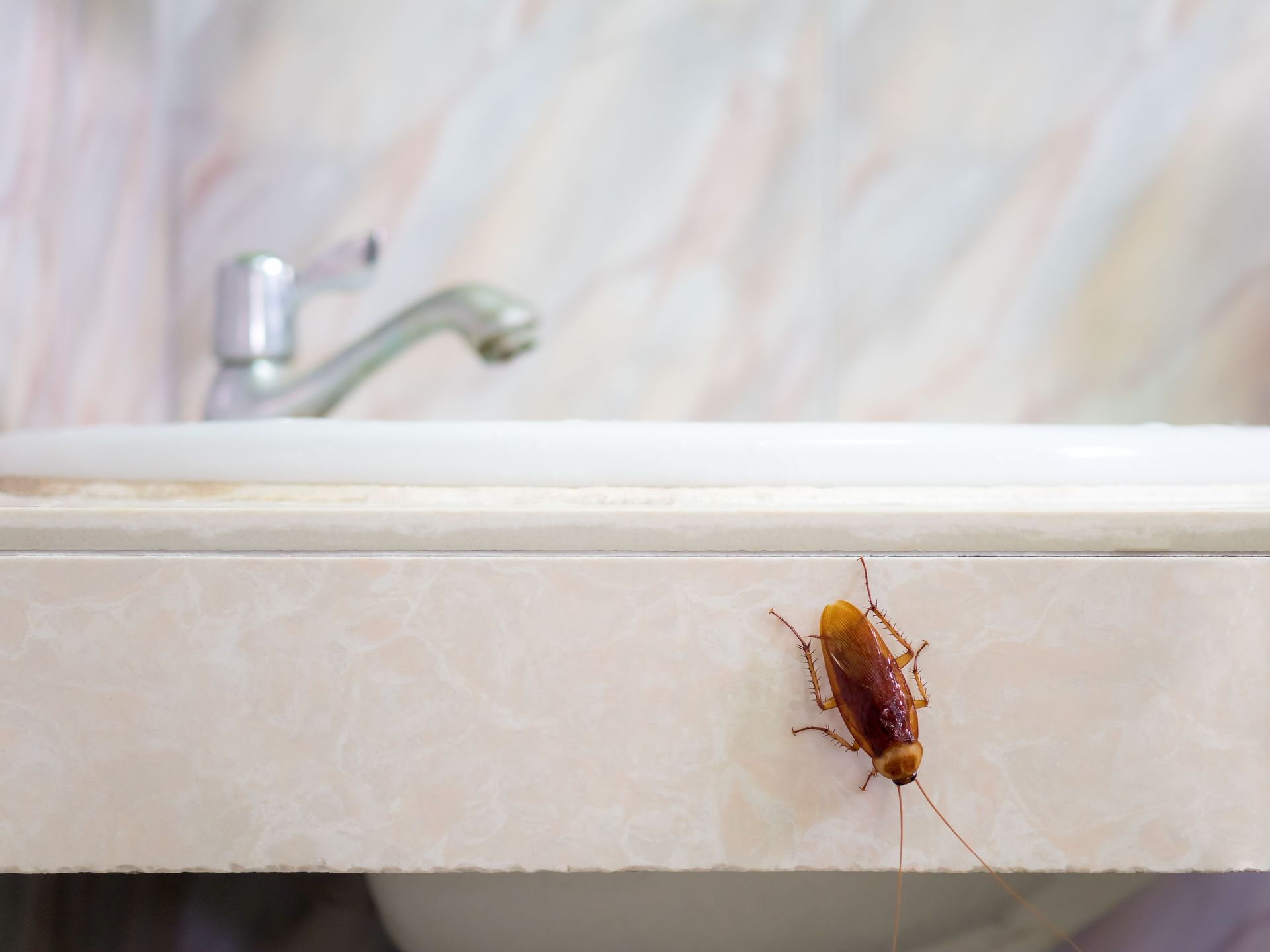
Plumbing leaks and lingering domestic moisture generate the humid environment that many invading insect and rodent species require to survive. Concealed pipe drips beneath sinks, damp bath surrounds, and leaking water heaters create dark, wet conditions where silverfish, termites, and cockroaches congregate. Moisture also softens surrounding structural wood, allowing wood-boring insects to carve out extensive internal galleries within your home framing. When plumbing lines leak continuously inside wall cavities, the resulting wood rot and elevated humidity accelerate pest populations, requiring specialized intervention through a licensed extermination service to eradicate nesting colonies nestled deep within interior partitions.
Exterior standing water poses comparable hazards around the perimeter of the home by establishing prime breeding habitats for swarming insects. Blocked rain gutters clogged with autumn leaf litter, poorly drained air conditioner condensation lines, and overwatered flowerbeds collect pools of stagnant water. Mosquitoes use these quiet pools to deposit thousands of eggs, creating aggressive swarms right outside entry doorways and windows. Overwatered houseplant saucers inside living areas produce ideal conditions for indoor fungus gnats to reproduce within damp potting soil. Correcting plumbing leaks, cleaning gutters, and establishing effective ground drainage strip away the life-sustaining moisture pests require.
Sealing Structural Breaches and Shelters
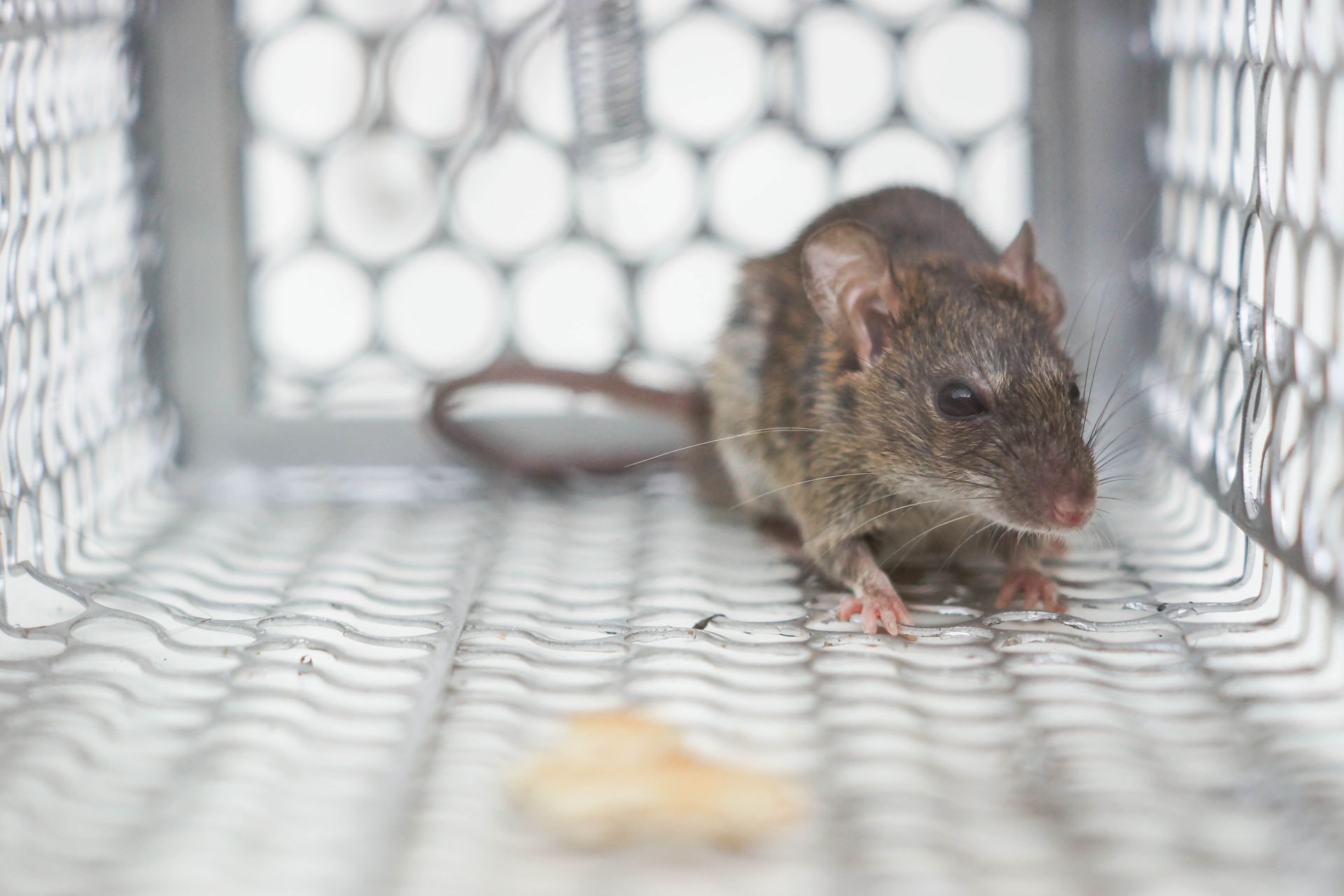
Structural vulnerabilities throughout a home's exterior envelope provide effortless avenues of ingress for opportunistic pests seeking warm refuge. Aging weatherstripping around exterior doors, torn window screens, and foundation cracks offer unhindered access to mice, spiders, and foraging insects. Rodents possess flexible skeletons capable of squeezing through openings no larger than a dime, while small ants navigate microscopic gaps along mortar joints and siding panels. Once pests bypass exterior defenses, they establish secure nests inside quiet wall voids, floor cavities, and crawlspaces, necessitating comprehensive perimeter sealing alongside professional extermination service visits to close off hidden pathways permanently.
Unused household spaces packed with dense storage create an ideal shelter where nesting pests can multiply undisturbed for months. Dark attics packed with loose cardboard boxes and unorganized basements provide quiet sanctuary for brown recluse spiders, rodents, and destructive silverfish. Stacking firewood directly against exterior siding invites subterranean termites and carpenter ants to migrate from damp timber directly into structural framing studs. Eliminating cardboard clutter, using sealed plastic storage bins, keeping firewood stacks elevated far from foundation walls, and clearing cluttered garage corners systematically deprives invasive critters of protective nesting cover.
Managing Exterior Environmental Magnets
Landscaping configurations directly influence the volume of insect and rodent activity pressing against a property’s outer perimeter. Dense shrubs and tree limbs that brush directly against exterior siding or roof shingles serve as elevated highways for roof rats and foraging ants. Piles of decaying yard waste, damp wood mulch, and neglected lawn clippings generate humid decomposition zones where earwigs and sowbugs flourish in high densities. Maintaining a clear gravel border around your foundation and keeping foliage neatly trimmed creates an exposed buffer zone that deters pests from venturing toward residential foundations.
Outdoor fixtures and exterior lighting systems can also attract swarms of insects directly to your residential entry points. Standard high-heat incandescent and ultraviolet floodlights illuminate doors and windows, attracting dense clouds of moths, beetles, and midges that gather predators like orb-weaver spiders. Switching to yellow LED bulbs or motion-sensor fixtures dramatically cuts nocturnal insect gatherings outside patio doors. Furthermore, uncleaned bird feeders drop hulls and seeds that attract Norway rats and mice. Securing municipal waste bins with tight-fitting lids and sanitizing trash cans regularly removes powerful scent cues, discouraging wandering raccoons and stray pests from scavenging near the house.
Mitigating Seasonal Shifts and Weather Extremes
Changing weather patterns prompt rhythmic pest movements as wild populations respond to temperature swings, severe storms, and seasonal food availability. Late autumn brings dropping temperatures that drive field mice, spiders, and stink bugs indoors through tiny structural fissures in search of heated shelter. Springtime brings rising temperatures and seasonal rains that trigger massive breeding cycles for ants and subterranean termite swarmers. During these dramatic environmental shifts, homeowners frequently notice sudden indoor pest surges that require a targeted extermination service to neutralize newly arrived colonies before they establish durable indoor nests.
Blistering summer heat and persistent droughts can be equally disruptive, forcing outdoor insects and rodents indoors to seek precious moisture and air-conditioned relief. Ants often invade second-story bathrooms and kitchen sinks during hot dry spells simply to access domestic plumbing traps. Conversely, heavy seasonal downpours flood subterranean burrows, driving earth-dwelling cockroaches and centipedes upward into ground-floor living areas and basements. Recognizing that changing outdoor weather directly influences pest movement allows homeowners to anticipate surges, install fresh door sweeps, and maintain preventative pest control barriers that repel weather-driven invaders year-round.
Overcoming Inadequate Remediation Methods
Relying exclusively on casual DIY remedies and over-the-counter pest sprays frequently worsens active infestations instead of resolving them permanently. Off-the-shelf bug bombs and aerosol sprays often utilize repellent chemicals that merely scatter insects deeper into wall cavities, causing a localized ant or roach colony to splinter into multiple sub-colonies throughout the structure. Furthermore, natural home remedies like peppermint oil or vinegar washes do little to neutralize concealed breeding queens or hidden rodent nests. When initial treatments fail, homeowners lose precious time while pests continue to reproduce and cause unseen structural property damage.
Long-term success requires a disciplined strategy that attacks root breeding causes and structural access points simultaneously. Overlooking early warning signs like scattered rodent droppings, chewed electrical insulation, or mysterious drywall scratching allows minor pest incursions to escalate into severe structural emergencies. Attempting sporadic, reactive treatments fails to break reproductive egg cycles, ensuring pests reappear a few weeks later. Scheduling consistent maintenance through a professional extermination service guarantees systematic inspections, commercial-grade baiting strategies, and targeted perimeter barriers that thoroughly eradicate pests while preventing future generations from regaining a foothold inside your residence.
Protecting Your Household Investment
Preserving the sanitary integrity, physical safety, and structural value of your home demands proactive vigilance against invasive pest populations. Understanding how accessible food supplies, plumbing moisture, structural entry cracks, and overgrown outdoor landscaping attract pests empowers homeowners to eliminate biological attractants before pests establish permanent colonies. Combining meticulous domestic sanitation, conscientious water management, and tight structural maintenance strips invading organisms of the food, moisture, and shelter they require to thrive. Implementing these foundational adjustments ensures your residence remains an uninviting target for destructive seasonal invaders.
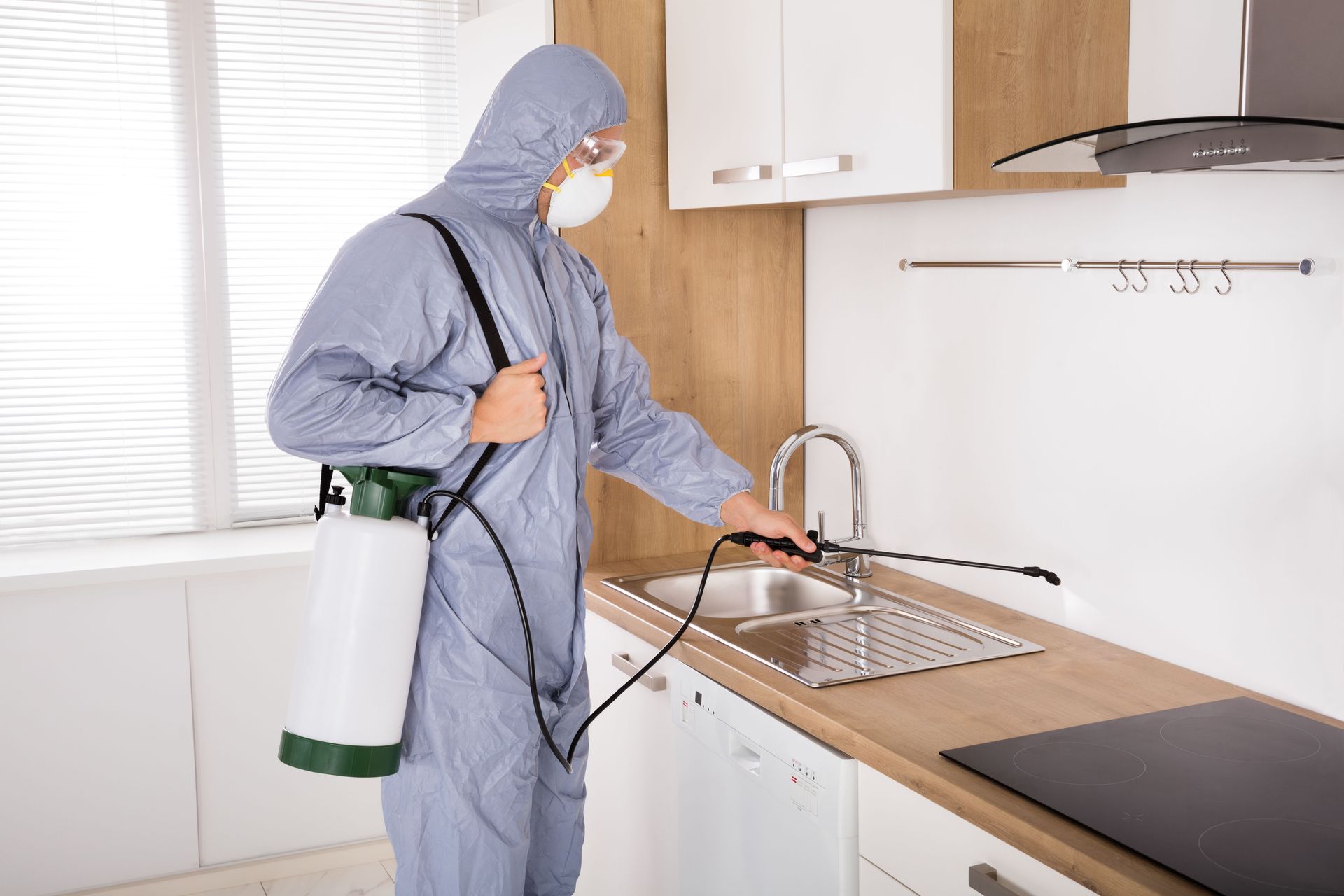
When persistent pests manage to breach your household defenses, partnering with licensed pest management professionals provides the ultimate protection for your property. An experienced extermination service delivers the diagnostic precision, advanced equipment, and specialized treatments needed to locate concealed nests and eliminate stubborn infestations safely and effectively. To reclaim your home and restore complete peace of mind with tailored pest management solutions, contact the dedicated specialists at DFW Bug to schedule your comprehensive residential inspection and protect your property with reliable, lasting defense today.