November 24, 2026
Addressing pest issues promptly is important for protecting a home's structural integrity, maintaining a healthy living environment, and preventing unnecessary expenses. What may begin as a minor nuisance can quickly develop into a serious infestation that affects household safety and comfort. Rodents, insects, and other unwanted visitors can damage property, contaminate food, and introduce health risks when left unaddressed.
Understanding the warning signs of pest activity helps homeowners recognize problems before they become more difficult to manage. Knowing which pests are common, what attracts them, and how they affect residential properties makes it easier to take appropriate action. While preventive maintenance can reduce infestations, professional termite control services may be necessary when unwanted visitors become established inside or around a home.
Identifying Common Household Pests
Recognizing Early Warning Signs
Identifying an infestation begins with recognizing changes in the home environment. Droppings, damaged food packaging, unusual odors, and scratching sounds inside walls or ceilings can indicate pest activity. Homeowners should also watch for nests, discarded insect wings, and unexplained damage to furniture or household materials.
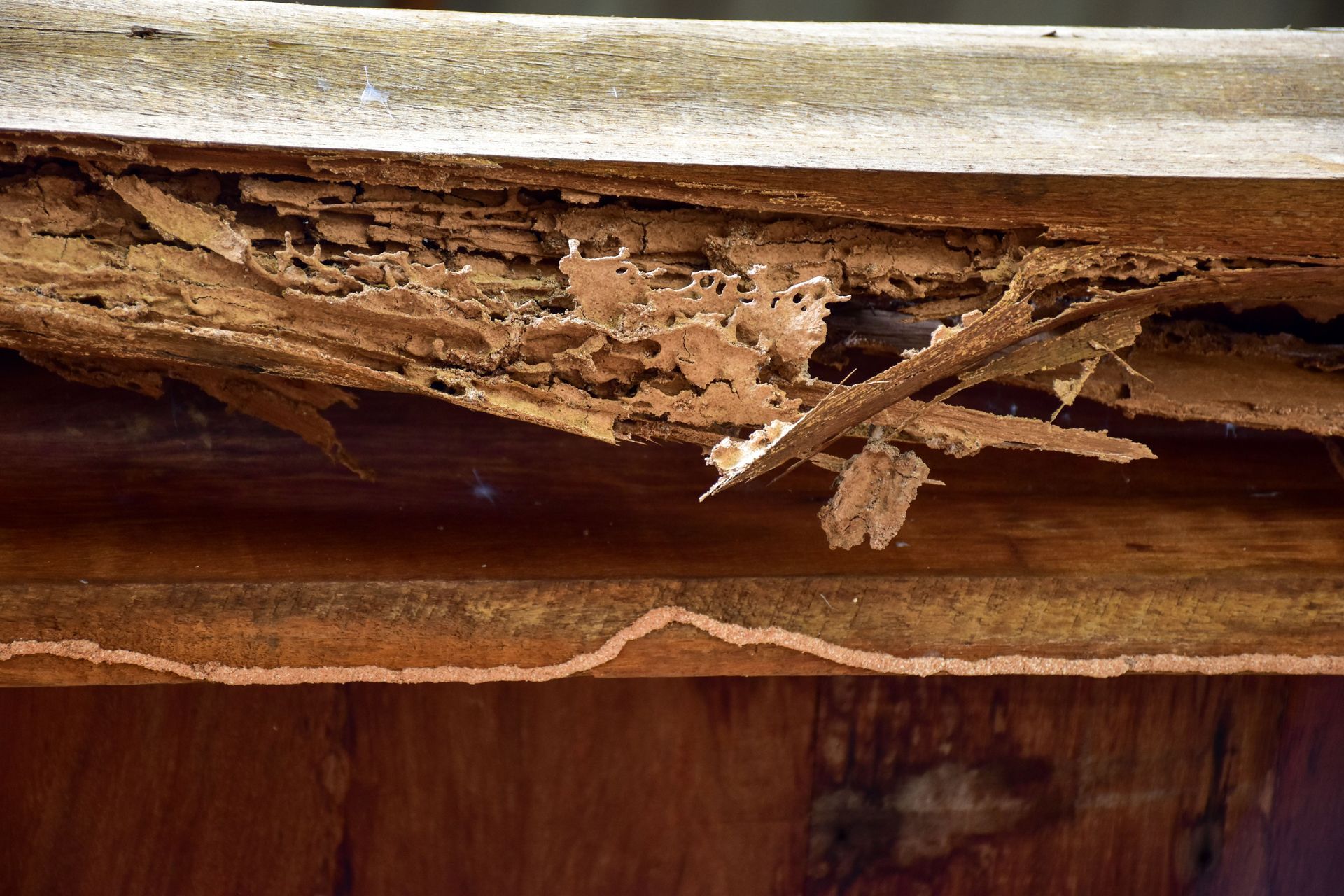
Different pests leave behind different indicators. Rodents may chew through wiring and insulation, while ants often appear near food preparation areas. Termites can leave behind mud tubes, hollow-sounding wood, and damaged wooden structures. Recognizing these signs makes it easier to determine which areas require attention and whether professional termite control services are appropriate.
Regularly inspecting kitchens, bathrooms, basements, attics, and outdoor spaces can help homeowners identify developing problems. Paying attention to moisture buildup, small openings around foundations, and changes in landscaping also provides useful information. Early detection makes pest management more manageable and reduces the opportunity for infestations to spread.
Understanding Pest Behaviors
Household pests vary in their habits, preferred environments, and potential effects on residential properties. Rodents seek food, water, and shelter, making kitchens, storage areas, and wall cavities attractive locations. Cockroaches prefer warm, humid environments, while ants frequently enter homes through small openings while searching for food.
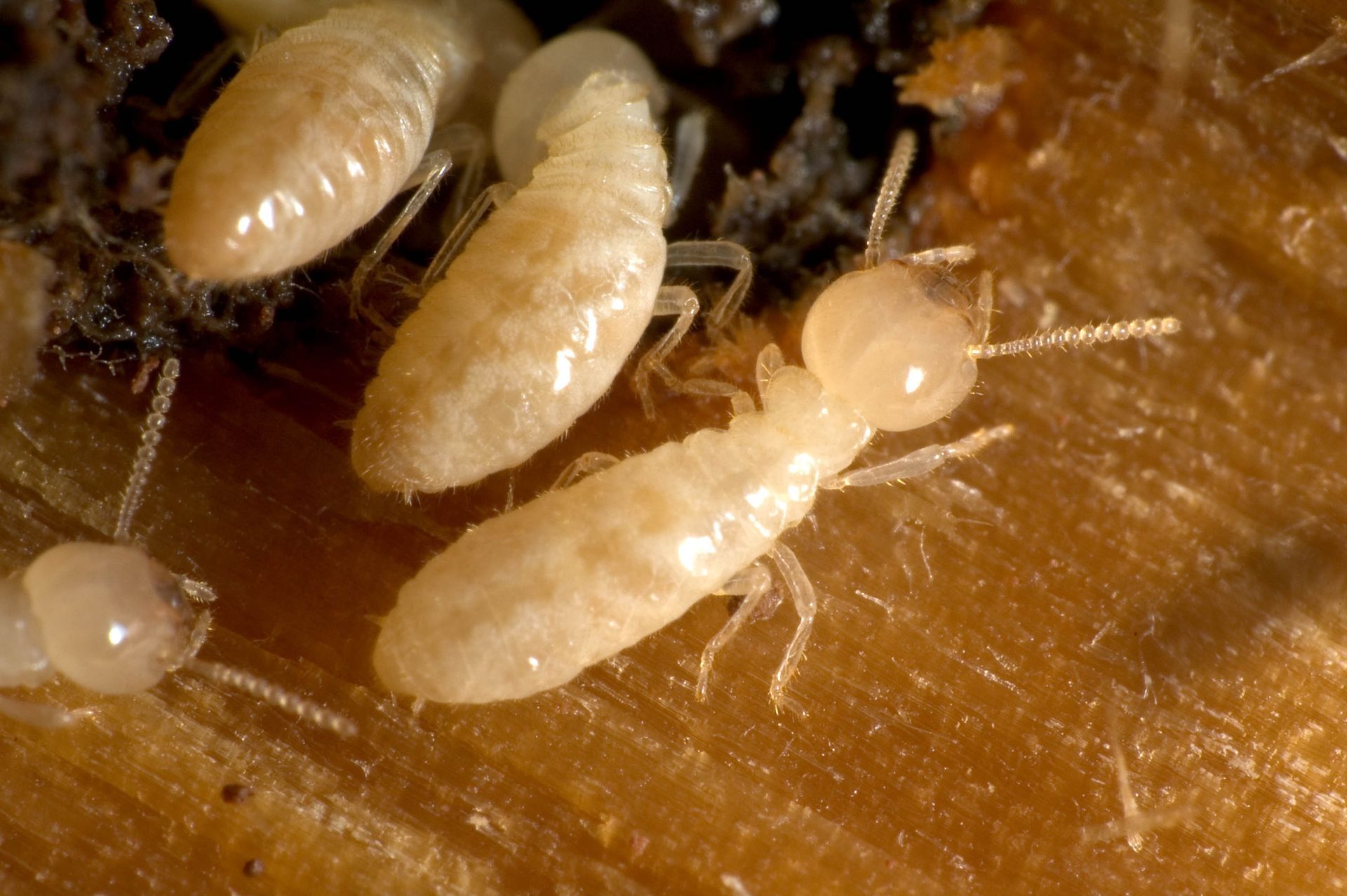
Termites present a different challenge because they feed on cellulose found in wood and other plant-based materials. Their activity can remain hidden behind walls, beneath flooring, and within structural components. Because visible damage may not appear until an infestation has progressed, professional termite control services are important when homeowners notice possible signs of termite activity.
Environmental conditions also influence pest activity. Excess moisture, accessible food, and convenient shelter can attract unwanted visitors. Homes near wooded areas, standing water, or overgrown landscaping may experience additional pest problems. Keeping living spaces clean, repairing leaks, and removing outdoor debris can make properties less attractive to pests.
Understanding Health Risks Associated With Pests
Preventing Allergies and Disease
Some household pests can contribute to allergies and respiratory complications. Cockroaches and dust mites produce allergens that may trigger asthma symptoms, sneezing, and other reactions in sensitive individuals. Droppings, shed skin, and insect fragments can accumulate indoors, affecting air quality and creating uncomfortable living conditions.
Rodents may spread diseases through contaminated droppings and urine, while cockroaches can transfer bacteria onto kitchen surfaces and exposed food. Mosquitoes and ticks introduce additional concerns because they are associated with several vector-borne illnesses. Addressing pest activity and maintaining clean living spaces helps reduce these risks.
Homeowners should store food securely, clean spills promptly, remove standing water, and maintain their landscaping. When infestations persist, professional termite control services can help identify the source of the problem and determine appropriate treatment options.
Protecting Food and Water Sources
Pests can contaminate household food and water supplies by leaving behind bacteria, droppings, and other unwanted materials. Kitchens and pantries are particularly vulnerable because they provide convenient access to food. Even small amounts of contamination can create potential health concerns for household members.
Keeping food in sealed containers, cleaning spills, and maintaining secure garbage storage can discourage pests from entering these spaces. Homeowners should also address plumbing leaks and inspect areas surrounding water sources. When pests are discovered near food preparation areas, residents should address the infestation and thoroughly clean affected surfaces.
Preventing Structural Damage From Pests
Recognizing Termite-Related Wood Damage
Termites are particularly concerning because their feeding habits can gradually weaken important wooden components throughout a home. They consume cellulose found in framing, flooring, support beams, and other wood materials. Because much of their activity occurs out of sight, homeowners may not recognize an infestation until noticeable damage develops.
According to ConsumerAffairs, homeowners typically will spend $3,000 to repair damage caused by a termite infestation. These expenses demonstrate why early detection and preventive maintenance are important. Mud tubes, discarded wings, damaged wood, and bubbling paint can all indicate possible termite activity.
Subterranean termites are especially challenging because they establish colonies underground and may enter homes through foundation cracks. Reducing excess moisture around the foundation, keeping firewood away from exterior walls, and repairing damaged wood can help discourage termite activity. When warning signs appear, professional termite control services can help identify the extent of the problem and determine appropriate treatment options.
Routine inspections are another important part of protecting residential structures. Professionals can examine vulnerable areas, identify conditions that encourage termite activity, and recommend preventive measures. Combining regular maintenance with professional termite control services helps homeowners address potential threats before extensive repairs become necessary.
Preventing Rodent-Related Electrical Damage
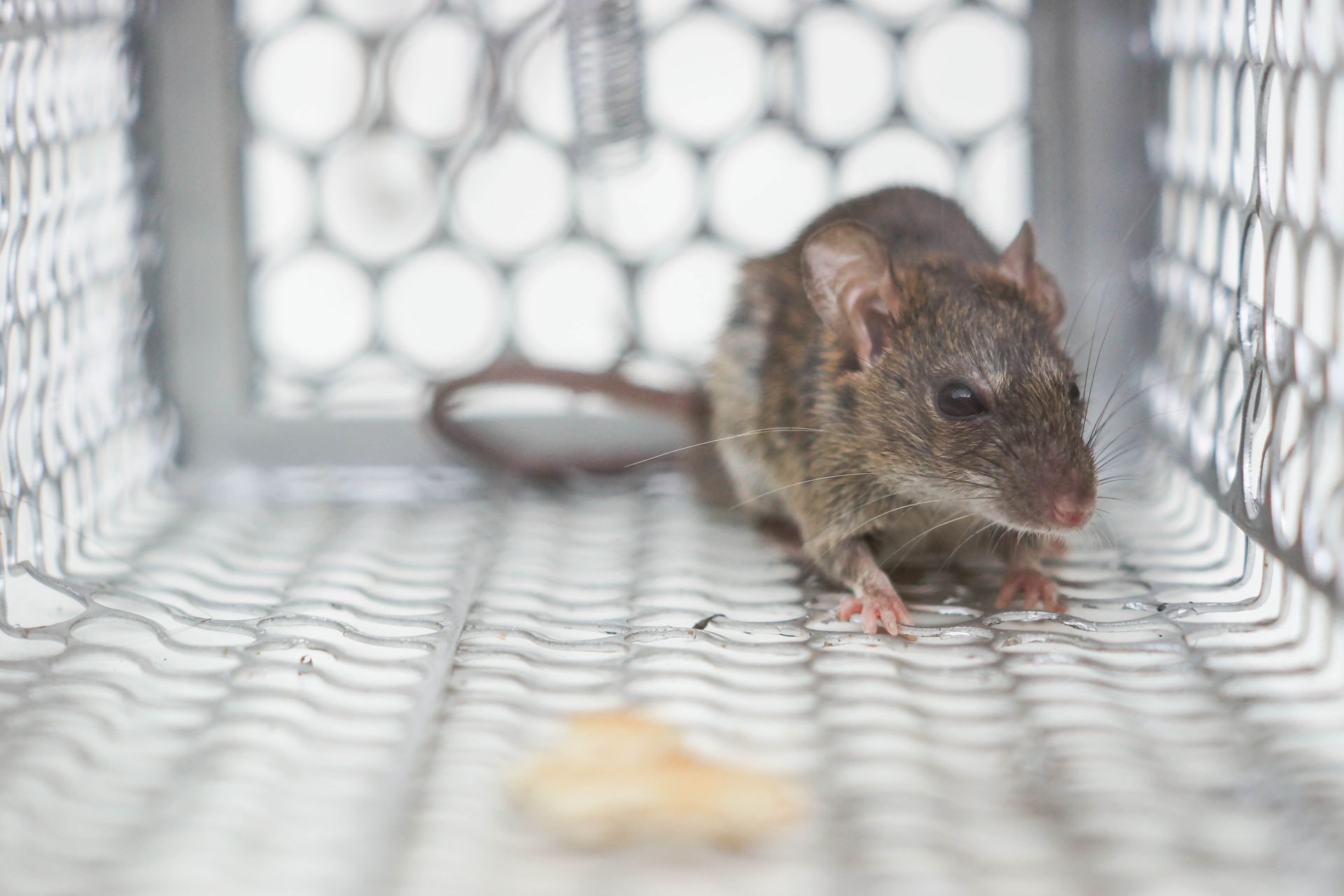
Rats and mice can damage electrical systems by chewing through wiring and surrounding materials. Rodents naturally gnaw on objects to maintain their teeth, making electrical components vulnerable when these animals enter wall cavities, attics, and basements. Damaged wiring can cause electrical malfunctions, increase fire risks, and create expensive repair requirements.
Homeowners should investigate scratching sounds, droppings, and signs of nesting in concealed areas. Sealing gaps around utility lines, repairing damaged screens, and securing exterior openings can make properties less accessible to rodents. When wiring damage is suspected, electrical systems should be inspected by a qualified professional.
Managing Pest Problems Through Preventive Action
Establishing Consistent Maintenance Practices
Preventing infestations requires consistent attention to household conditions. Cleaning regularly, removing standing water, securing garbage, and keeping food properly stored can make a home less attractive to pests. Outdoor maintenance is equally important, particularly when vegetation, debris, or stored materials provide shelter near the foundation.
Homeowners should also inspect vulnerable areas and repair openings that could provide access to insects and rodents. Addressing moisture problems is especially important because damp conditions attract numerous pests and may contribute to structural deterioration. These practical measures support long-term pest prevention.
Seasonal inspections can provide additional protection by helping homeowners recognize changing pest activity. Checking attics, crawl spaces, garages, and exterior walls allows residents to identify potential problems before they become established. Keeping these areas clean and free of unnecessary storage also makes it easier to spot signs of unwanted visitors.
Recognizing When Professional Assistance Is Necessary
Some pest problems persist despite routine cleaning and preventive maintenance. Hidden nesting areas, established colonies, and recurring infestations often require professional evaluation. Attempting to address these problems without identifying their underlying causes may allow pest activity to continue.
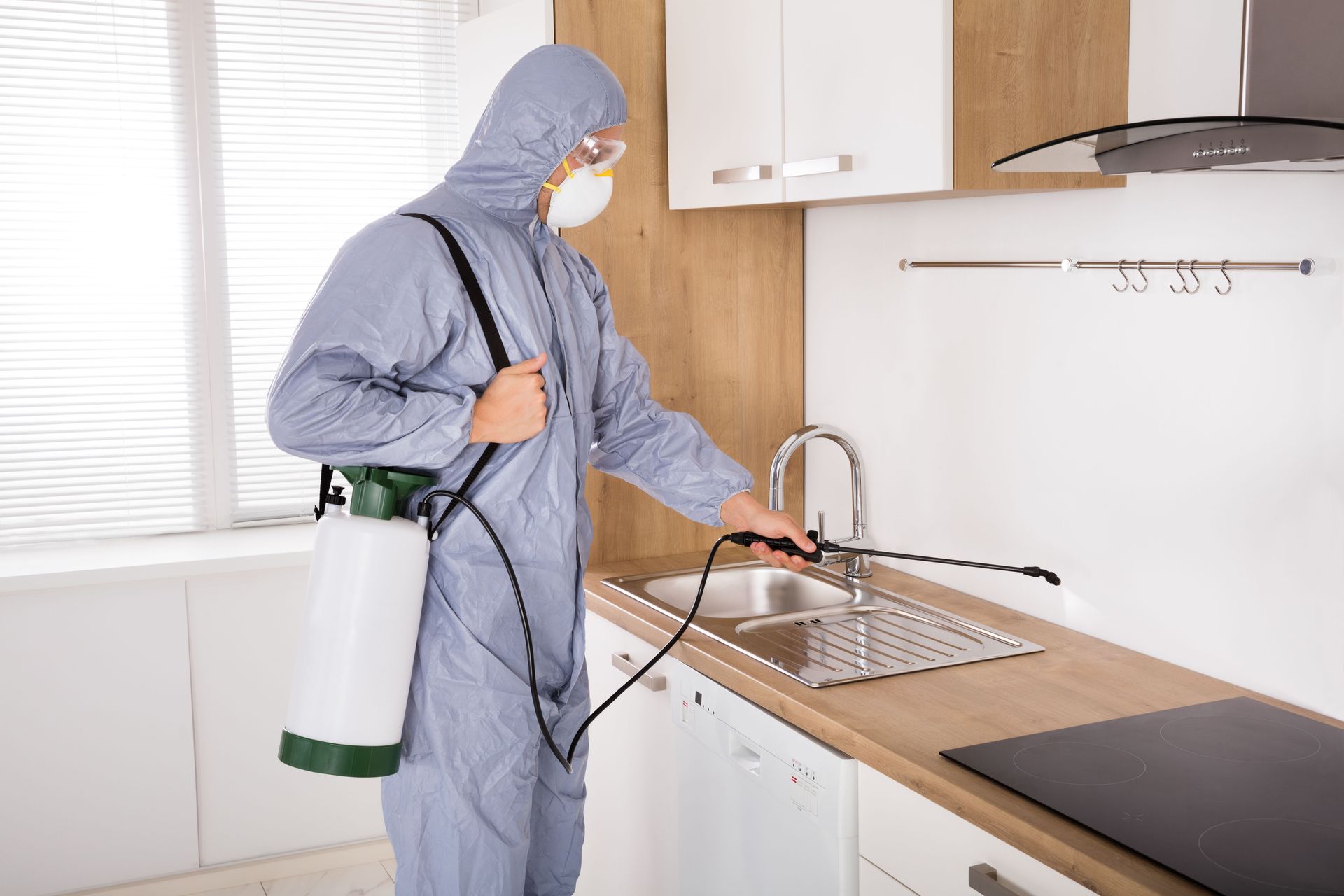
Professional termite control services are particularly valuable when homeowners notice damaged wood, mud tubes, or other indications of termite activity. Trained technicians can inspect affected areas, evaluate potential damage, and recommend appropriate treatments. Professional guidance also helps residents understand which preventive measures can reduce future risks.
Homeowners should not wait until an infestation becomes overwhelming before seeking assistance. Early intervention can limit property damage, reduce health concerns, and make pest management more straightforward. DFW Bug offers professional pest management solutions to help residents address unwanted pests and protect their properties. Contact DFW Bug to discuss potential infestations, schedule an inspection, and take proactive steps toward maintaining a safer, more comfortable home.