July 24, 2026
Roaches are resourceful pests that can find their way into homes through surprisingly small openings. They are attracted to food, water, warmth, and shelter, which makes residential properties appealing environments. Once inside, they can hide in dark spaces and remain unnoticed until their population grows. Homeowners may unknowingly provide entry points through cracks, gaps, plumbing connections, and other openings around the property. Preventing an infestation requires more than cleaning visible areas because roaches can enter through places that are easy to overlook. According to the National Pest Management Association, cockroaches can spread nearly 33 types of bacteria, including E. coli and Salmonella, making prevention an important part of maintaining a healthy home. Understanding how these pests get inside can help homeowners recognize vulnerabilities and take steps to address them. When an infestation is already present, professional roach control services can help identify the problem and develop an appropriate treatment plan.
1. Slipping Through Cracks and Wall Gaps
Small cracks around a home's exterior can provide easy access for roaches searching for shelter. These pests can move through narrow openings around foundations, siding, windows, doors, and other structural areas. Cracks may develop as buildings settle or as materials expand and contract with changing temperatures. Gaps around utility lines and exterior fixtures can also create hidden entry points. Homeowners should regularly inspect the outside of their properties for openings that may need to be sealed. Caulking and other appropriate materials can help close some gaps and reduce opportunities for pests to enter. If roaches continue appearing despite efforts to seal visible openings, professional roach control services can help locate less obvious access points. A thorough inspection can reveal vulnerabilities that may otherwise remain unnoticed.
2. Entering Through Doors and Windows
Doors and windows can provide another pathway into a home when screens, seals, or weather stripping are damaged. Roaches may enter through gaps beneath doors or spaces around poorly fitted window frames. Leaving doors open for extended periods can also allow insects to move inside. Damaged screens may create openings that allow pests to pass through without much difficulty. Homeowners should check door sweeps and window seals for signs of wear or separation. Replacing damaged materials can help reduce the number of openings around common entry points. Professional roach control services may be useful when pests continue entering even after obvious gaps have been repaired. Keeping doors and windows properly sealed is a simple but important part of a broader pest prevention strategy.
3. Traveling Through Plumbing Connections
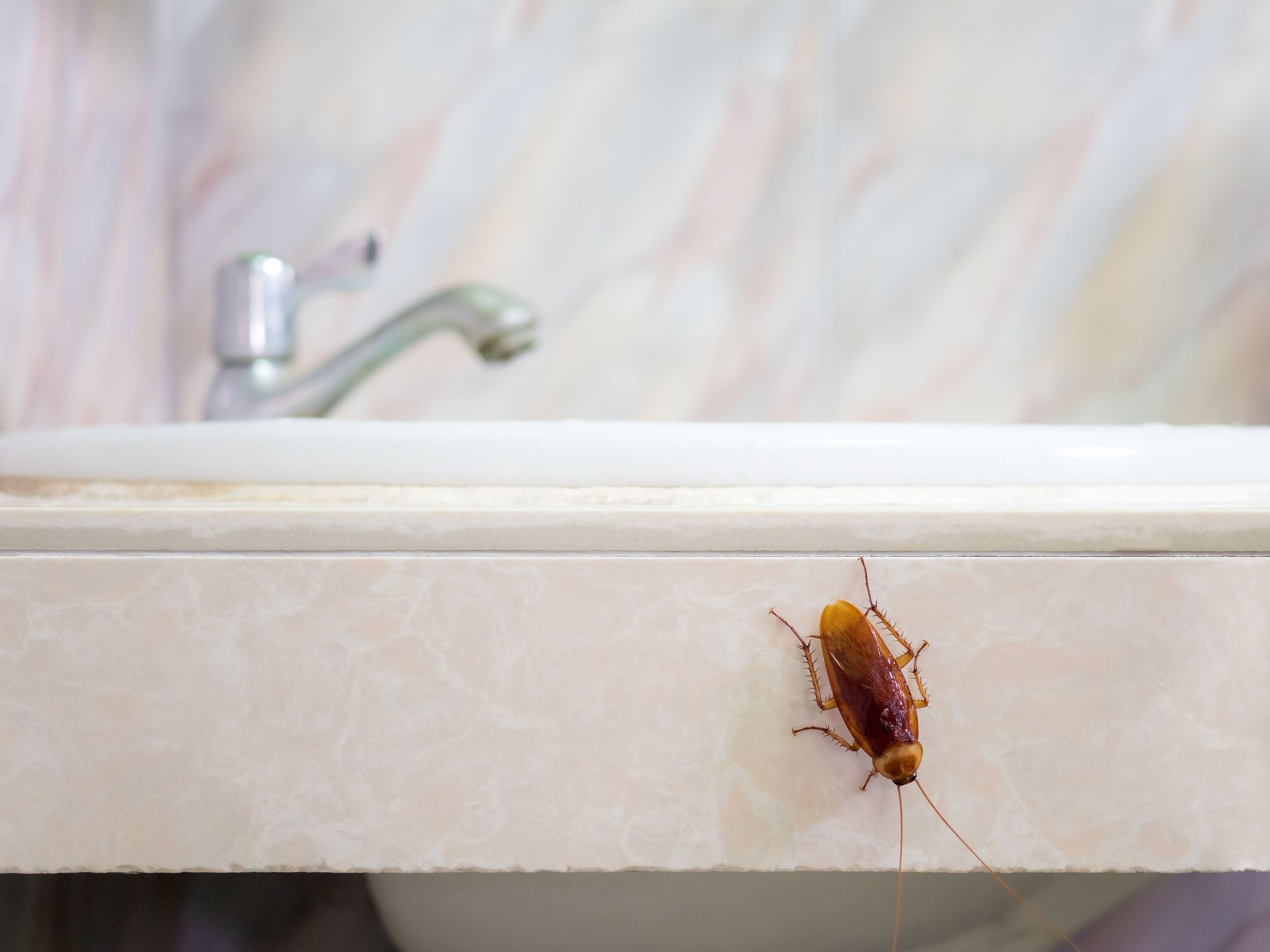
Plumbing systems can create pathways between the inside and outside of a property. Roaches may move through gaps around pipes, drains, and utility connections when these areas are not properly sealed. Moisture around plumbing fixtures can also make these locations attractive to pests. Leaking pipes and dripping faucets may provide the water sources roaches need to survive. Homeowners should inspect areas beneath sinks, around toilets, and near water heaters for leaks or openings. Repairing plumbing problems can reduce moisture and eliminate some conditions that encourage pest activity. When roaches are repeatedly found near plumbing fixtures, professional roach control services can help determine whether the insects are entering through these areas. Addressing both the pests and the conditions attracting them can help support longer-lasting prevention.
4. Hiding Inside Cardboard and Packages
Roaches can sometimes enter homes by hiding inside boxes, bags, and other items brought indoors. Cardboard provides dark spaces where pests can remain concealed during transportation or storage. Packages delivered from warehouses, stores, or other locations may occasionally carry unwanted insects. Grocery bags and secondhand items can also provide opportunities for pests to enter a home unnoticed. Homeowners should inspect boxes and packages when possible, especially if they are being stored indoors for extended periods. Removing unnecessary cardboard can also reduce potential hiding areas around the property. If signs of an infestation appear after bringing items inside, roach control services can help identify whether the pests have established themselves indoors. Careful inspection of incoming items can reduce one of the less obvious ways roaches enter homes.
5. Following Food and Moisture Sources
Roaches are often drawn to homes because they offer access to food, water, and protected areas. Crumbs beneath appliances, uncovered food, overflowing trash, and pet food can all provide potential food sources. Moisture from leaks, condensation, and damp areas can make a property even more appealing. Even small amounts of food residue may attract pests when they are searching for resources. Homeowners should clean spills promptly and store food in sealed containers whenever possible. Keeping sinks, counters, floors, and garbage areas clean can help reduce conditions that support pest activity. Professional roach control services can address active infestations while homeowners work to remove the conditions that attract these pests. Combining sanitation with professional treatment can create a more comprehensive approach to pest management.
6. Moving Through Shared Building Spaces
In apartments, townhomes, and other connected properties, roaches may move between units through shared walls and utility areas. Openings around pipes, electrical systems, vents, and other connections can provide pathways between different parts of a building. A neighboring infestation may sometimes affect nearby residences even when one household maintains good cleaning habits. Shared trash areas and common spaces can also contribute to pest movement. Property owners and residents should pay attention to signs such as droppings, shed skins, unpleasant odors, or live insects. Sealing openings and addressing sanitation concerns can help reduce movement between connected areas. Roach control services may be especially important in shared buildings because treating only one affected area may not address the larger source. Coordinated pest management can help reduce the chances of recurring activity.
7. Entering Through Attics and Roof Openings
Rooflines and attic spaces can contain gaps that allow roaches and other pests to enter a home. Damaged vents, loose roofing materials, and openings around pipes may create access points from the outside. Once inside an attic, roaches may move through wall voids and other hidden spaces. Warm temperatures and limited disturbance can make these areas attractive places for pests to hide. Homeowners should inspect attic vents and roof penetrations for damage or gaps when possible. Repairs should be completed carefully to prevent additional openings from developing over time. Professional roach control services can help determine whether attic activity is connected to an infestation elsewhere in the home. Addressing both exterior access points and interior activity can help create a more complete pest prevention plan.
Finding one roach does not always reveal the full extent of a pest problem. Roaches are often active at night, which means homeowners may not see them during normal daytime activity. Droppings that resemble small dark specks, egg cases, shed skins, and unusual odors can indicate that pests are nearby. Roaches may also hide behind appliances, beneath sinks, inside cabinets, and in other dark areas. Repeated sightings may suggest that the insects have found food, moisture, and shelter within the home. Delaying treatment can give a population more time to reproduce and spread into additional areas. Roach control services can help homeowners investigate signs of activity and determine the appropriate next steps. Early attention may make it easier to address an infestation before it becomes more widespread.
Roaches can enter through cracks, plumbing openings, doors, windows, packages, shared spaces, and roofline gaps, making prevention an ongoing responsibility for homeowners. Our team can inspect affected areas, discuss your concerns, and recommend a treatment approach based on the conditions of your property. We understand that every home can have different pest challenges and entry points. Contact DFW Bug today to schedule service and take the next step toward protecting your home from unwanted roaches.