June 13, 2026
Understanding the intricacies of pest control services is crucial to the safety and comfort of your home or business. This article will guide you through essential questions to ask your pest control provider, helping you make informed decisions. Pest control is not just about eliminating nuisances; it's about creating a safe and healthy environment. By knowing what to ask, you can evaluate the expertise and reliability of the service provider. Many property owners turn to pest exterminators when they need help addressing infestations quickly and effectively. The following sections will delve into the pivotal questions that can help you assess and select the right pest control company for your needs.
1. What Types of Pests Do You Specialize In?
1.1 Identifying the Range of Pests
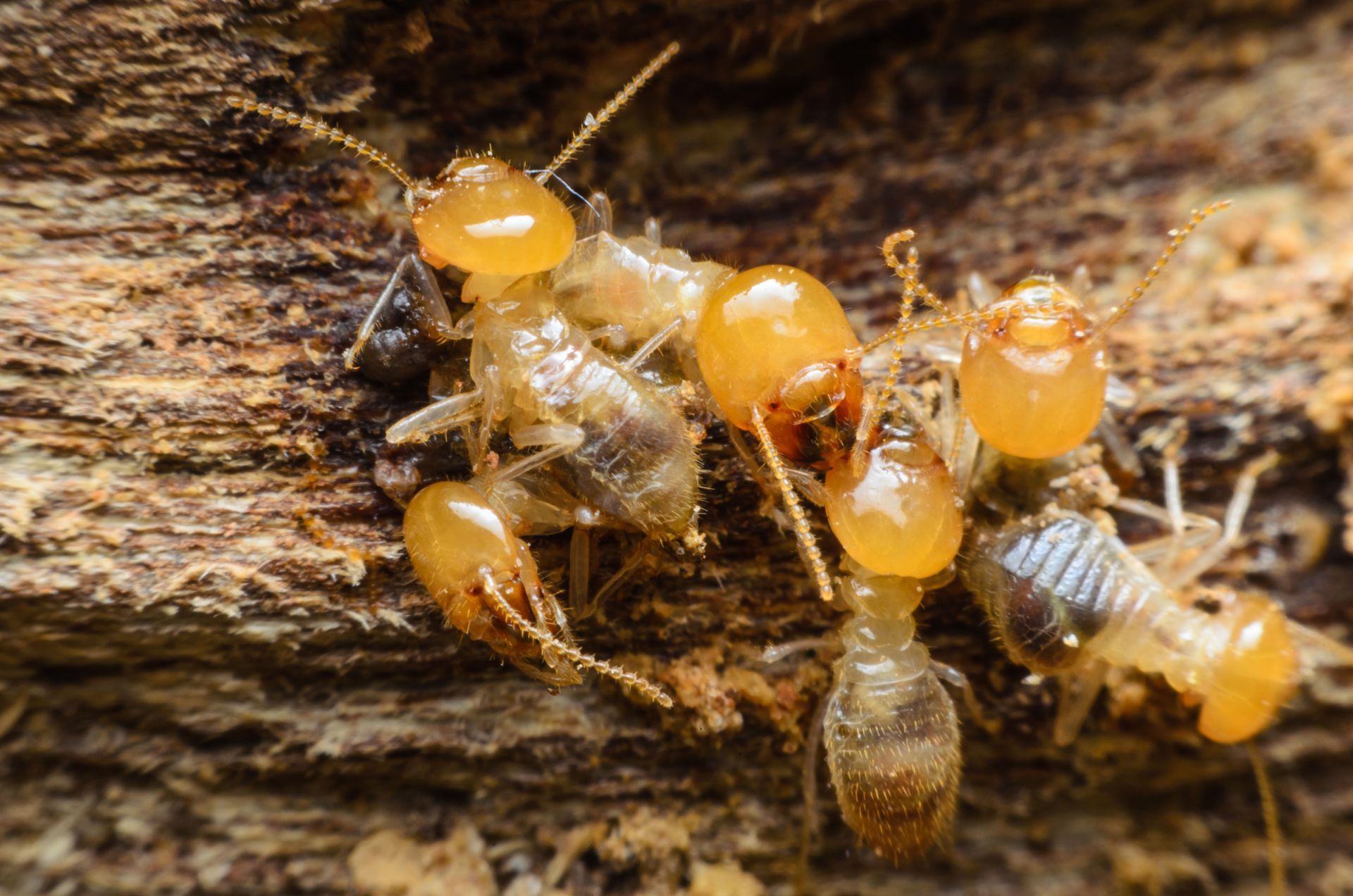
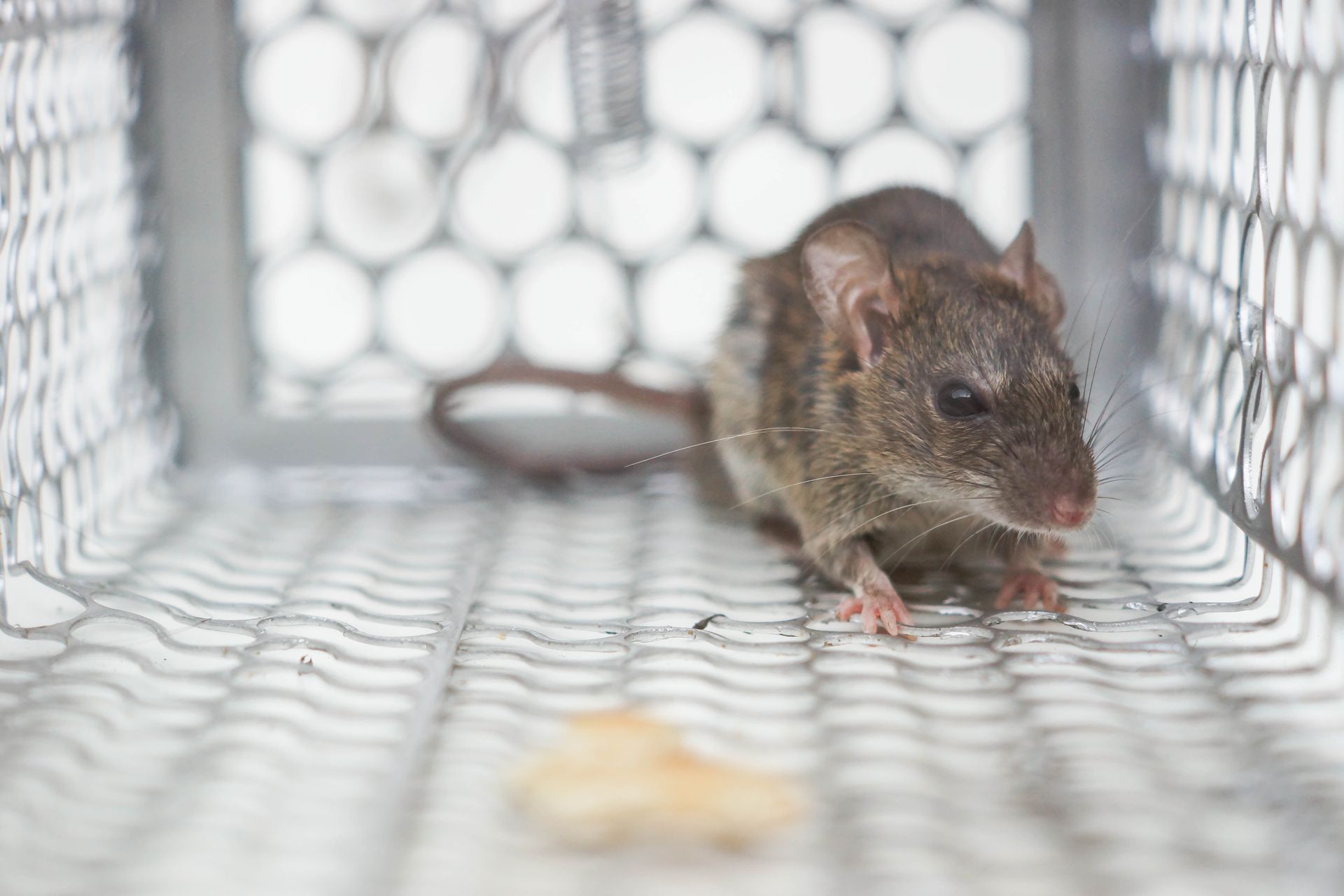
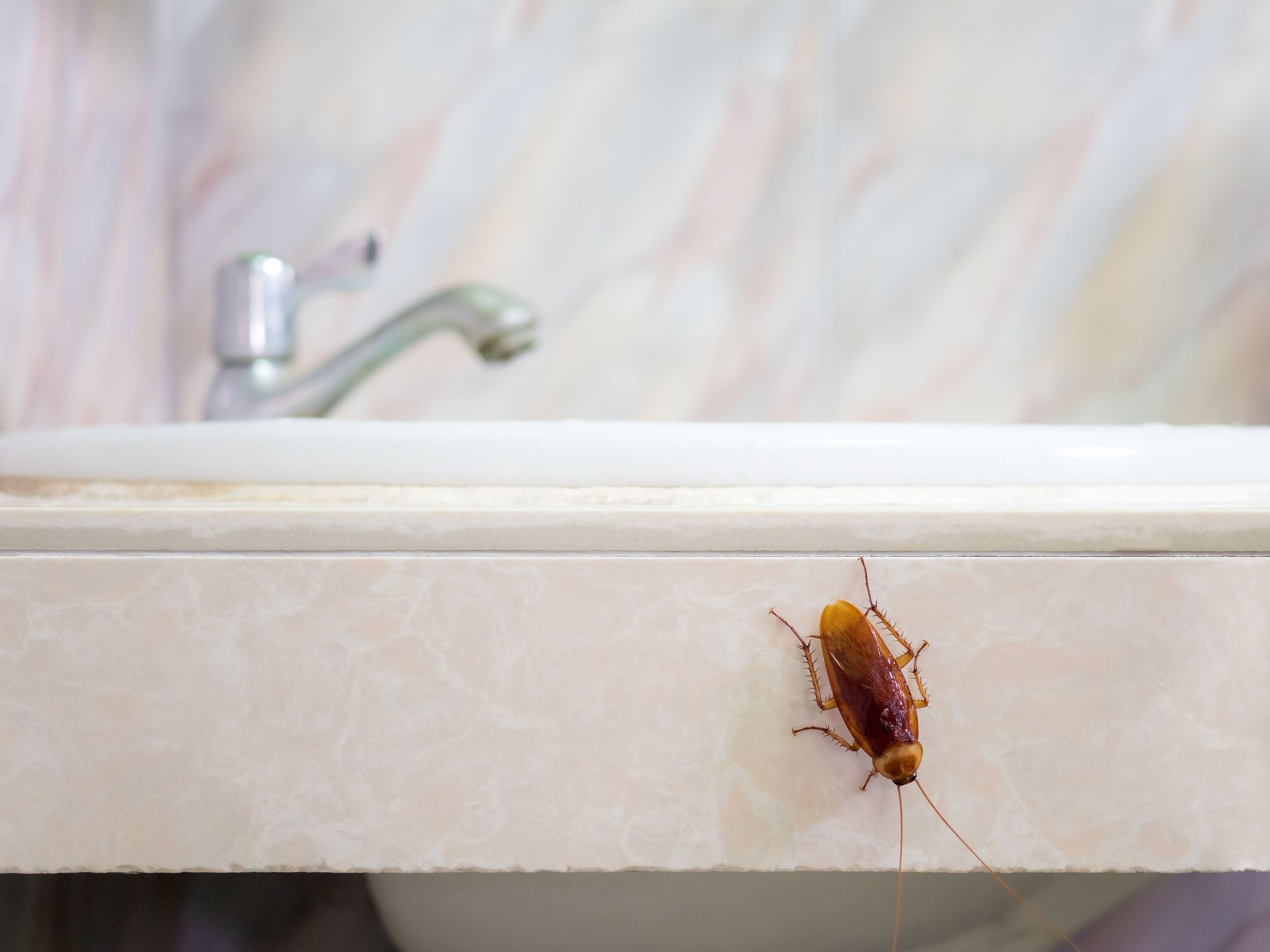
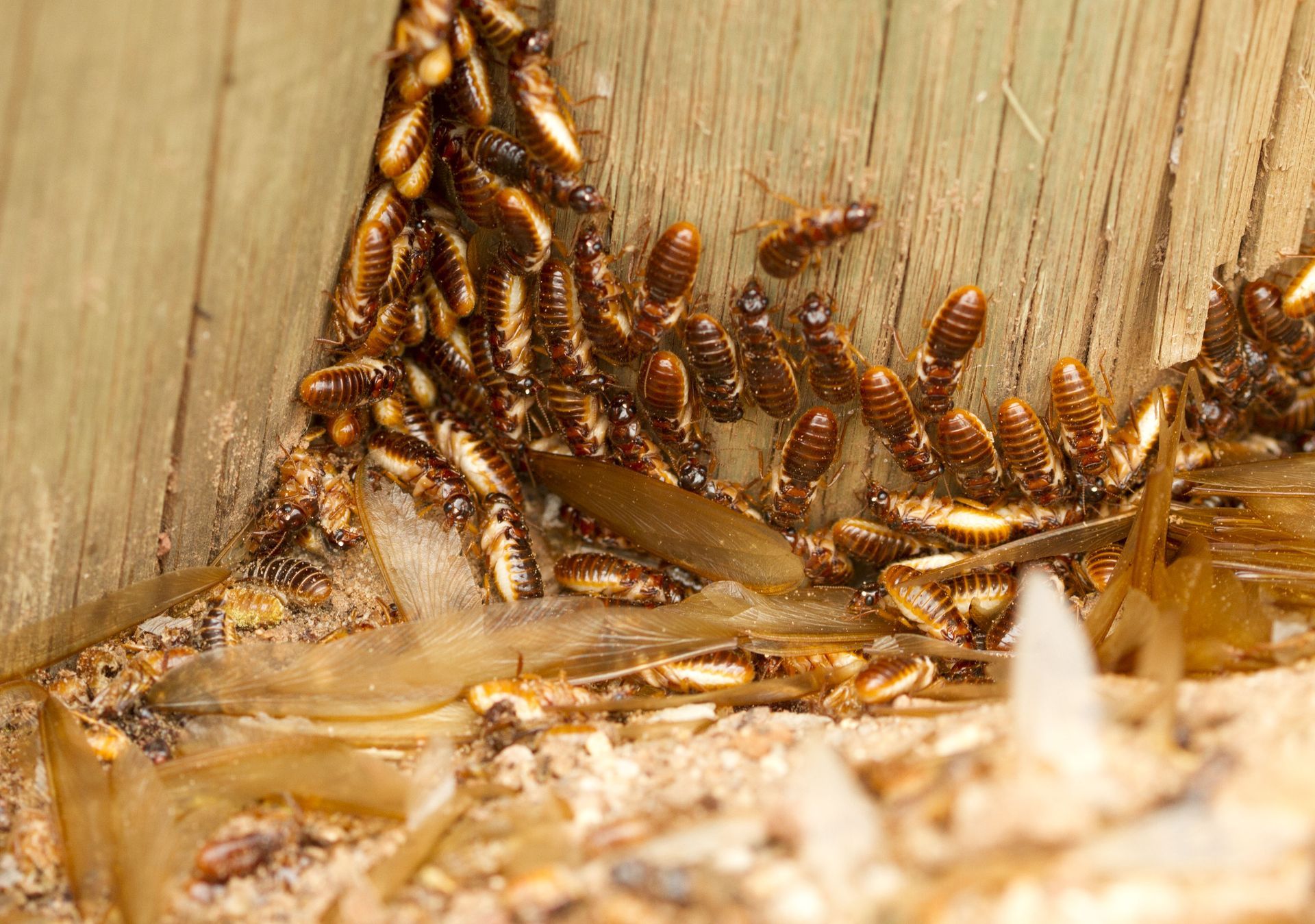
Understanding the range of pests a company deals with is fundamental to choosing the right provider. Many pest control companies focus on common pests such as ants, termites, and rodents. However, some specialize in less common pests like bed bugs, mosquitoes, or birds. It's important to ask if they have experience with the specific pest issue you're facing. Reputable pest exterminators should be able to explain the types of infestations they handle regularly. This knowledge will help confirm that the company has the necessary background to effectively handle your problem.
1.2 Experience with Local Pest Populations
A company's familiarity with local pest populations can significantly impact their effectiveness. Local pests can vary greatly depending on the region and climate. Pest control providers with local experience are more likely to understand the behaviors and patterns of these pests. This expertise allows for more targeted and efficient treatment plans. Moreover, pest exterminators with a local focus are often more invested in the community and its ecosystem.
1.3 Specialized Techniques for Specific Pests
Specialized techniques are often needed to handle certain types of pests effectively. For example, termites may require baiting systems or trenching, while bed bugs might be best dealt with using heat treatments. When discussing pest control services, inquire about the specific methods they use for the pests you're concerned about. A reputable company should be able to explain their approach and why it is effective. Experienced pest exterminators can also explain whether their treatment plan is designed for short-term removal or long-term prevention. This insight can provide peace of mind that they are using the most efficient and up-to-date techniques available.
1.4 Training and Certifications
Training and certifications are critical indicators of a pest control provider's professionalism and competence. Certified technicians have undergone rigorous training to understand the biology and behavior of pests, as well as the safe use of pesticides. Certifications from recognized organizations, such as the National Pest Management Association, can attest to a company's commitment to industry standards. Ask about the training programs their employees undergo and any certifications they hold. Qualified pest exterminators should be able to discuss both licensing requirements and ongoing education. This information can assure you that the personnel handling your pest issue are knowledgeable and prepared.
1.5 Success Stories and Case Studies
Success stories and case studies can provide valuable insights into a company's track record and expertise. These stories illustrate how the company has effectively resolved pest issues for other clients. Requesting examples of past successes can help you gauge their experience and reliability. Companies that readily share such information demonstrate transparency and confidence in their services. Many pest exterminators highlight case studies to show how they approached different pest concerns. Understanding their past performance can help set realistic expectations for your own pest control needs.
2. What Methods Do You Use for Pest Control?
2.1 Chemical vs. Non-Chemical Treatments
Pest control methods can broadly be categorized into chemical and non-chemical treatments. Chemical treatments involve the use of pesticides and insecticides to eliminate pests. Non-chemical methods might include traps, physical barriers, or natural predators. It's important to discuss with your provider the pros and cons of each method for your specific situation. Understanding these options can help you make informed decisions that align with your safety and environmental concerns. Trusted pest exterminators should be willing to explain which method makes the most sense for your property. According to the National Pest Management Association, over 13.25 million U.S. households received professional pest control services in 2024. This statistic highlights the importance of selecting the right provider for your needs. With the right questions, thorough research, and help from skilled pest exterminators, you can achieve a pest-free environment that supports the safety and comfort of your home or business.
2.2 Environmental Impact of Methods
The environmental impact of pest control methods is an important consideration for many homeowners. Chemical treatments can have adverse effects on the environment, particularly if not used responsibly. Many companies now offer eco-friendly options that minimize harm to the ecosystem. When discussing pest control plans, inquire about the environmental impact of their methods. Choosing pest exterminators who prioritize sustainability can help protect the environment while effectively managing pests.
2.3 Safety Measures for Occupants
Safety measures are a critical component of any pest control strategy. Providers should take steps to protect both occupants and technicians during treatments. This includes using products that are appropriate for homes with children and pets, as well as providing clear instructions on any necessary precautions. Understanding the safety protocols in place can provide peace of mind during the pest control process. A reputable company will prioritize the health and safety of its clients at all times. Professional pest exterminators should also explain reentry times and any steps you need to take after service.
2.4 Integrated Pest Management (IPM) Strategies
Integrated Pest Management (IPM) strategies are a holistic approach to pest control that focuses on prevention and long-term solutions. IPM combines various methods, including monitoring, environmental modifications, and targeted treatments, to manage pest populations. This approach reduces reliance on chemical treatments and promotes sustainable pest control. When selecting a provider, inquire about their use of IPM strategies and how they incorporate these principles into their services. Pest exterminators who use IPM often focus on identifying the source of the infestation instead of only treating visible activity. IPM can be an effective way to manage pests while minimizing environmental impact.
2.5 Latest Technologies in Pest Control
The pest control industry continually evolves, with new technologies offering more efficient and effective solutions. Innovations such as smart traps, heat treatments, and digital monitoring systems are revolutionizing pest management. Discuss with your provider whether they utilize the latest technologies and how these innovations can benefit your situation. Staying informed about technological advancements can help you choose a provider that employs the most current and effective methods. This allows you to work with pest exterminators who are keeping pace with industry developments and service standards.
3. How Do You Protect Pets and Children?
3.1 Non-Toxic Treatment Options
The safety of pets and children is a top priority for many families when considering pest control services. Non-toxic treatment options, such as organic pesticides and mechanical traps, can offer peace of mind. These methods reduce the risk of exposure to harmful chemicals while still effectively managing pest populations. Discuss with your provider the non-toxic options available and how they can be integrated into your pest control plan. Choosing pest exterminators who prioritize low-toxicity solutions can support a healthier environment for your loved ones.
3.2 Precautionary Measures During Treatment
Precautionary measures during treatment are essential to safeguarding pets and children. Providers should offer guidance on any necessary steps to take before, during, and after treatments. This might include temporarily relocating pets or covering play areas to prevent exposure. Understanding these precautions can help you prepare adequately and minimize any potential risks. A conscientious provider will prioritize safety and provide clear communication throughout the process.
By asking these questions, you can choose a pest control provider who is knowledgeable, reliable, and aligned with your safety and efficiency concerns. Proper communication and understanding will lead to a more effective pest management experience. Contact DFW Bug, LLC today to schedule your pest control.