Roach Control 101: How to Spot and Stop Infestations Before They Spread

January 9, 2026

Roaches have a unique talent for turning a comfortable home or workplace into a source of stress almost overnight. A single sighting often leads to bigger questions about cleanliness, safety, and what may be lurking just out of sight. Understanding how infestations begin, how they grow, and what early warning signs look like can make a major difference. With the right awareness, roach control becomes far more manageable before the problem spreads. That early clarity can save time, money, and frustration later.


Understand Roach Biology And Behavior


Roaches are resilient pests with life cycles designed for survival. They develop through three stages: egg, nymph, and adult, and each stage requires a different approach when addressing an infestation. Egg cases, known as oothecae, can contain dozens of eggs and are often hidden in protected areas, making them easy to miss. This is why effective roach control must account for more than just visible insects. Ignoring early stages often leads to repeat problems.


Different species reproduce at different speeds, which affects how quickly infestations expand. German cockroaches reproduce rapidly, while American cockroaches grow more slowly but reach much larger sizes. Environmental conditions such as warmth and humidity also influence development and survival. Recognizing how biology and surroundings interact helps guide smarter intervention strategies. This understanding supports more precise treatment planning.


Roaches are extremely adaptable, capable of surviving on limited resources and adjusting to changes in their environment. That adaptability is why infestations often persist without targeted action. Understanding these biological traits provides the foundation for long-term prevention and elimination. Knowledge turns reaction into strategy.


Identify Common Species And Their Habitats


Although thousands of cockroach species exist worldwide, only a handful commonly invade homes and commercial buildings. American, German, Oriental, and Brown-Banded cockroaches are the most frequently encountered indoors. Each species favors specific environments, which influences where they’re typically found. Habitat awareness helps narrow inspection efforts.


According to HomeGuide, American cockroaches measure around two inches in length, whereas German and Oriental cockroaches are usually under one inch long. American cockroaches are often drawn to basements, drains, and sewer-adjacent areas, while German cockroaches prefer kitchens and bathrooms where food and moisture are abundant. These differences help narrow down infestation sources. Size alone can offer valuable clues.


Correctly identifying the species present allows for more targeted roach control efforts. Habitat preferences affect treatment placement, sanitation priorities, and moisture management. Accurate identification saves time and prevents ineffective solutions. It also reduces unnecessary chemical use.


Recognize How Roaches Communicate And Reproduce


Roaches rely heavily on pheromones to communicate with one another. These chemical signals help them locate food, attract mates, and establish nesting areas. Once pheromone trails are established, infestations can spread quickly throughout a structure. Communication is central to colony growth.


Reproduction often happens out of view, with egg cases tucked into cracks, behind appliances, or inside cabinets. Seeing nymphs or egg cases usually means adults have been present for some time. Comprehensive roach control strategies must interrupt both communication and reproduction to prevent reinfestation. Treating only what’s visible rarely solves the problem.


Modern treatments often focus on disrupting pheromone pathways while addressing active populations. When combined with proper sanitation and exclusion methods, these strategies provide more lasting results. Understanding roach behavior makes prevention far more effective. Behavioral insight strengthens every control step.


Analyze Nutritional Preferences And Feeding Habits


Roaches are opportunistic feeders that consume a wide range of materials. Food scraps, grease residue, pet food, and even cardboard or glue can sustain them. Kitchens, pantries, and break rooms are especially attractive environments. Convenience drives infestation risk.


Even small crumbs or spills can support an infestation, which is why consistent cleaning matters. Sealing food containers, wiping down surfaces, and managing trash properly reduces attraction. These habits reinforce roach control by limiting access to essential resources. Cleanliness directly impacts pest pressure.


Roaches typically forage at night, which allows populations to grow unnoticed. Homeowners and business owners may not detect activity until numbers increase. Understanding feeding habits helps pinpoint where infestations are likely to develop. Timing awareness supports faster detection.


Observe Roach Activity During Nighttime Hours


Roaches are primarily nocturnal, emerging after dark to search for food and water. Daytime inspections often miss active movement, giving infestations time to expand. Nighttime checks with a flashlight can reveal trails, nesting areas, and feeding zones. Visibility improves dramatically after dark.


When exposed to light, roaches scatter quickly, often exposing cracks and access points. This behavior helps identify where sealing or treatment is most needed. Aligning inspections with peak activity strengthens roach control efforts. Strategic timing improves accuracy.


Tracking nighttime activity over time also helps measure treatment effectiveness. Reduced sightings often indicate progress, while continued activity suggests further action is needed. Timing plays a critical role in successful intervention. Patterns reveal whether strategies are working.


Spot Early Warning Signs Of Infestation


Droppings are one of the most common early signs of roaches. They resemble coffee grounds or black pepper and are often found along baseboards, inside cabinets, or beneath sinks. Larger droppings may indicate larger species, while finer specks often suggest German cockroaches. Droppings often appear before live sightings.


A musty odor is another warning sign, caused by pheromones, droppings, and decomposing insects. The stronger the smell, the more established the infestation is likely to be. Odors that linger after cleaning often point to hidden nesting areas. Smell should never be ignored.


Grease marks and smears along walls or surfaces also signal frequent roach travel. These markings highlight high-traffic areas and guide targeted treatment. Early recognition supports effective roach control before infestations worsen. Visual clues often reveal movement patterns.


Locate Hidden Roach Nesting Areas


Roaches prefer dark, undisturbed spaces close to food and moisture. Common hiding spots include behind refrigerators, under sinks, inside wall voids, and beneath appliances. Cluttered areas provide additional shelter, making organization an important preventative step. Less clutter means fewer hiding options.


Cracks, gaps, and crevices serve as both nesting sites and travel routes. Sealing these entry points reduces access and disrupts movement patterns. Combined with sanitation, exclusion significantly strengthens
roach control strategies. Structural upkeep supports long-term prevention.


Routine inspections of high-risk areas allow problems to be addressed early. Making environments less hospitable discourages long-term infestation and repeat issues. Prevention is always easier than correction.


Differentiate Between Major Household Roach Types


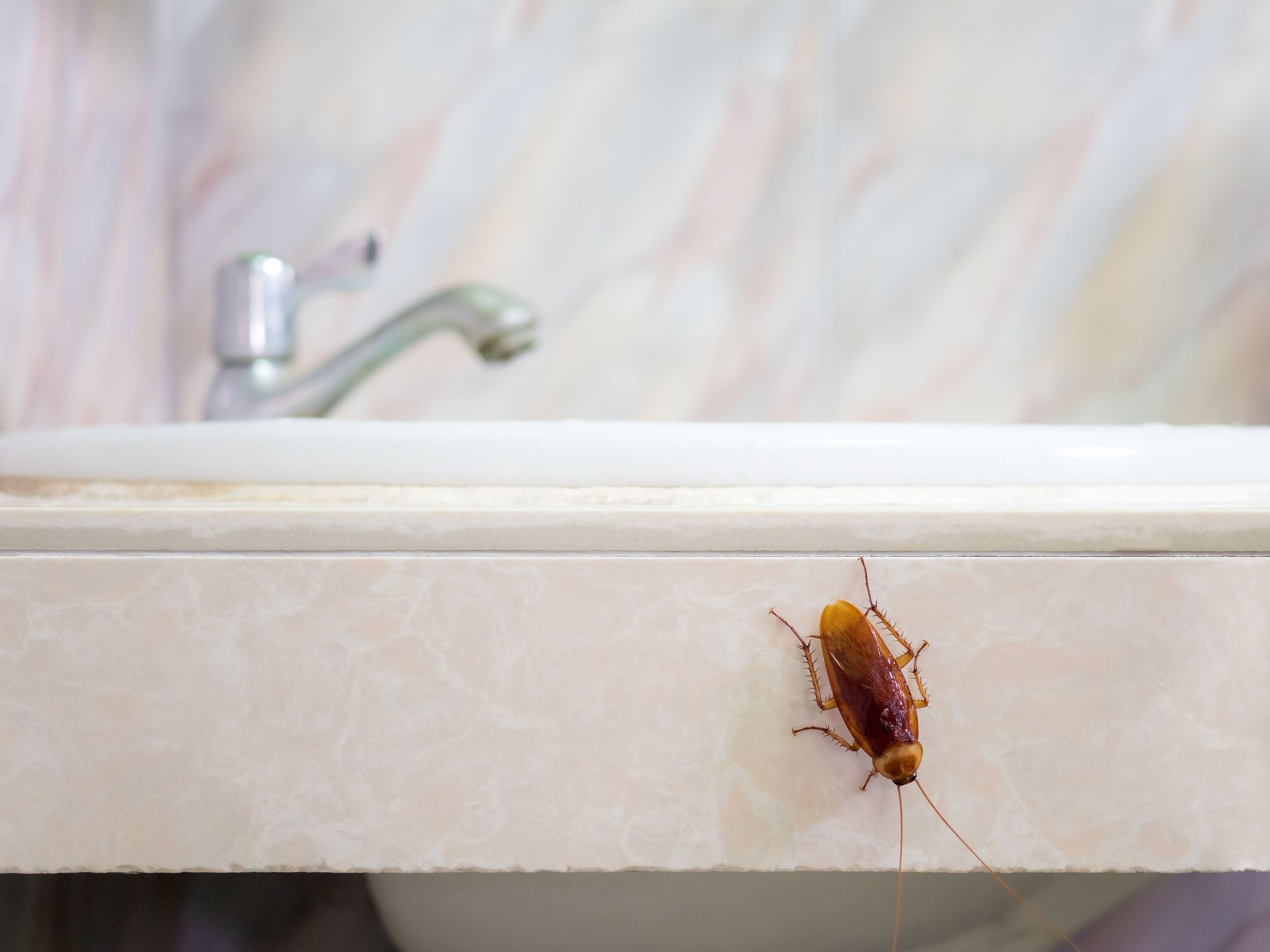
American cockroaches are large, reddish-brown, and often associated with moisture problems. Their presence may point to plumbing leaks or drainage issues that need attention. Addressing these conditions reduces attraction and access. Moisture control is a key deterrent.


German cockroaches are smaller but reproduce quickly, making early detection essential. Their tendency to resist certain treatments often requires professional intervention. Tailored solutions are usually necessary for lasting results. Speed matters with this species.


Understanding species differences helps guide treatment decisions and prevention efforts. A targeted approach consistently outperforms generic methods. Precision improves outcomes.


For homes and businesses across Dallas, staying ahead of infestations starts with awareness and timely action. At DFW Bug, we provide residential and commercial pest control services designed to address roaches at every stage of infestation. We know how disruptive these pests can be, and we’re committed to protecting properties throughout the Dallas, TX area. If you’re noticing signs of activity or want proactive protection, reach out to us today — we’re ready to help you take control with confidence. Your peace of mind matters to us.

local pest exterminators
December 11, 2025
Are you in need of local pest exterminators? Keep reading to discover why families should consider choosing local professionals.
local exterminators
November 5, 2025
Keep your home safe and pest-free with expert local exterminators offering personalized, eco-friendly solutions that protect your family and property.
pest control
September 9, 2025
In this article, we'll explore how trained specialists handle pest control the right way and why their methods are worth considering.
extermination service
June 6, 2025
Do you have termites on your property? Read this blog to learn about the most optimal way to find the right extermination service for you.